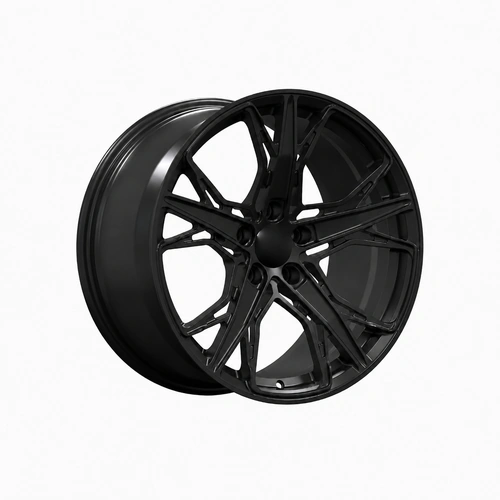
21×10 Forged Monoblock Wheels for 2012 Mercedes-Benz ML 63 AMG (W166) – Gloss Black Lattice Multi-Spoke Design 5×112
- Model: GGD2610008
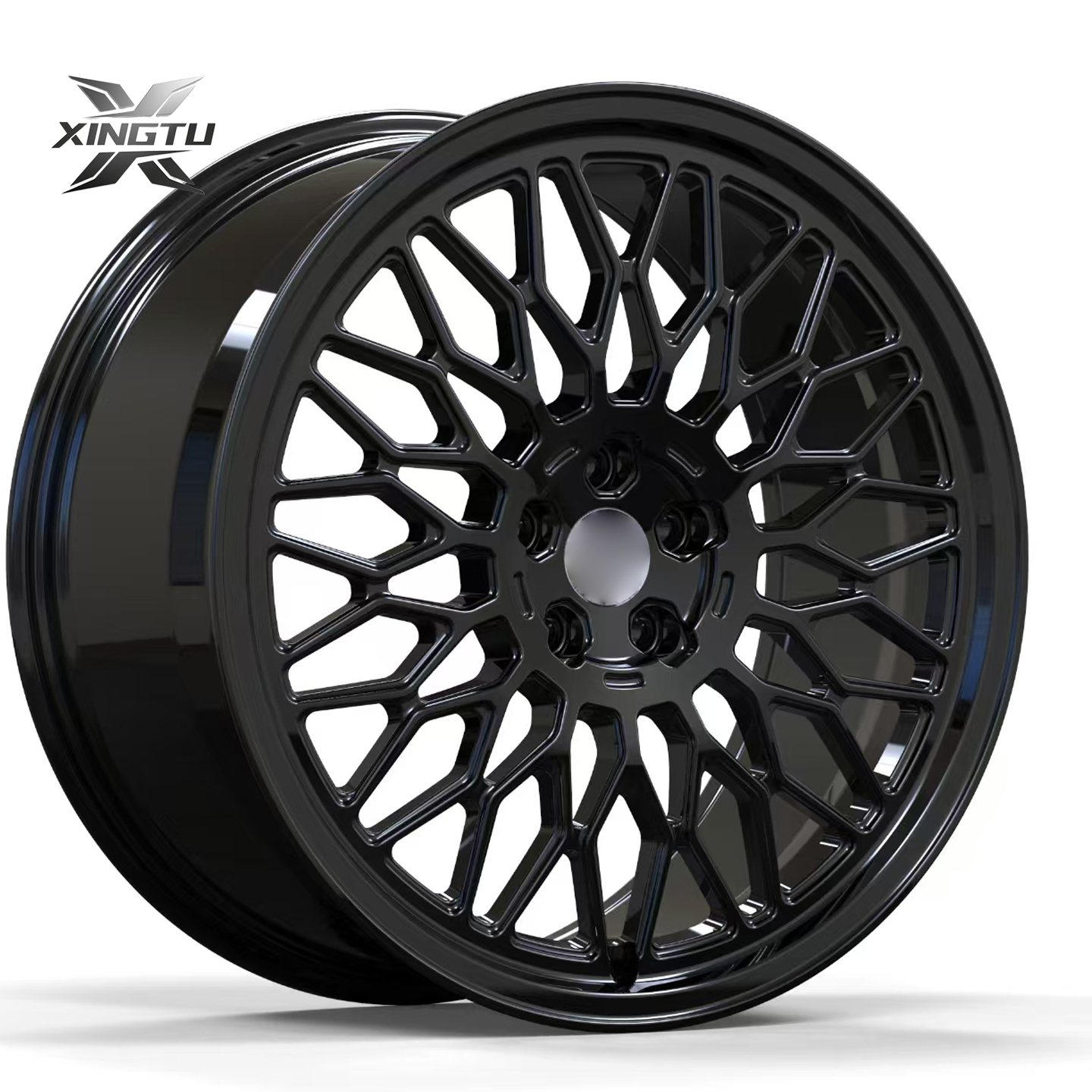
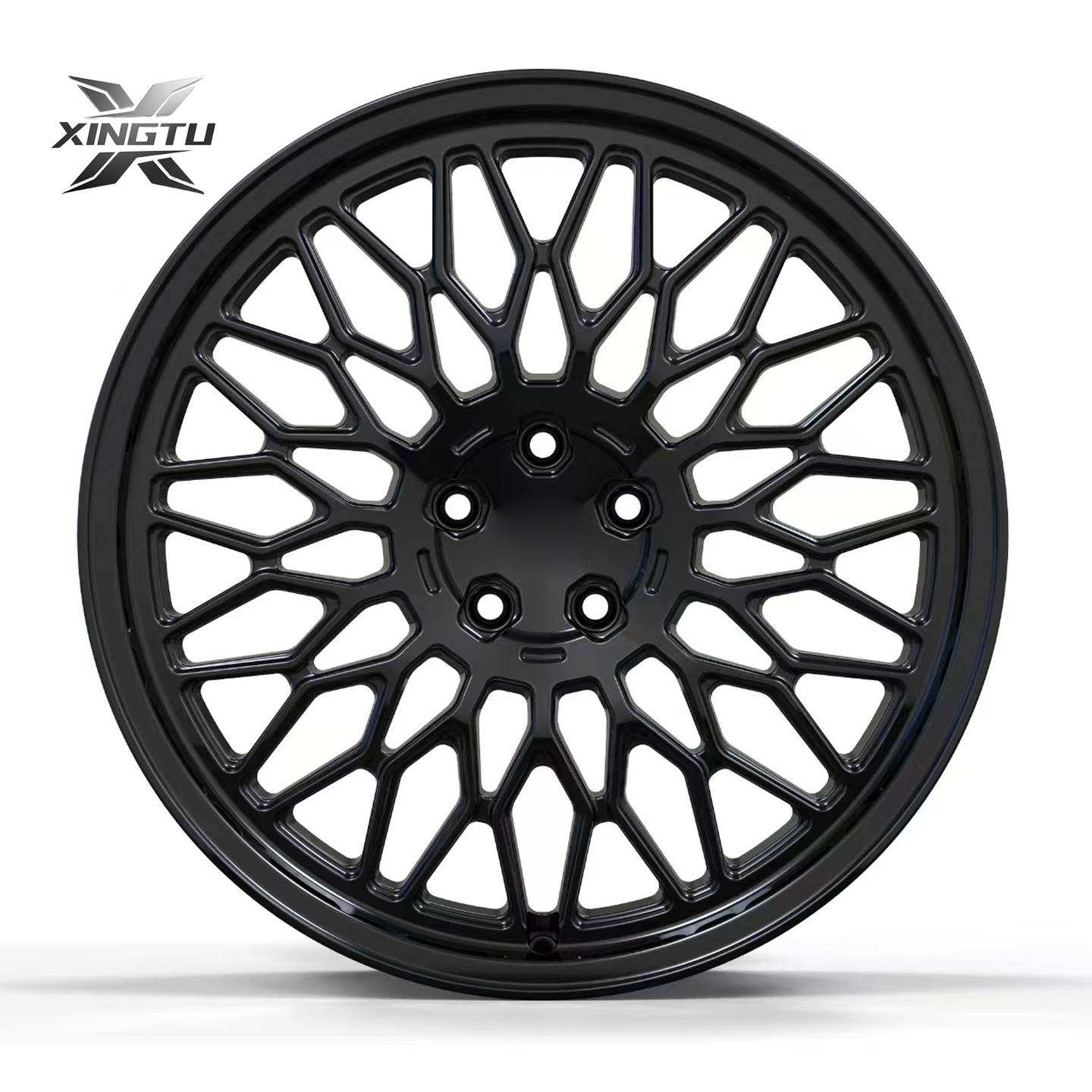
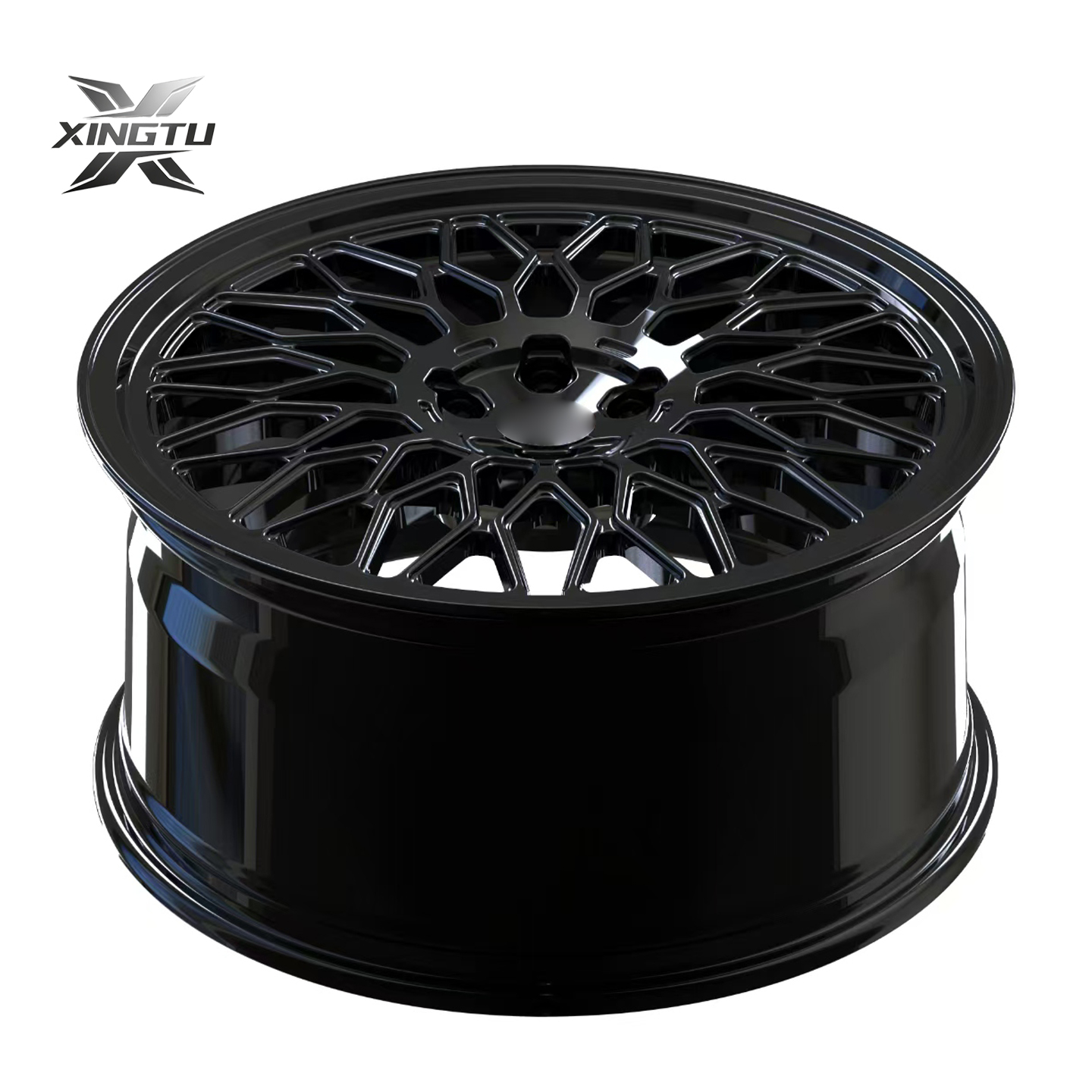
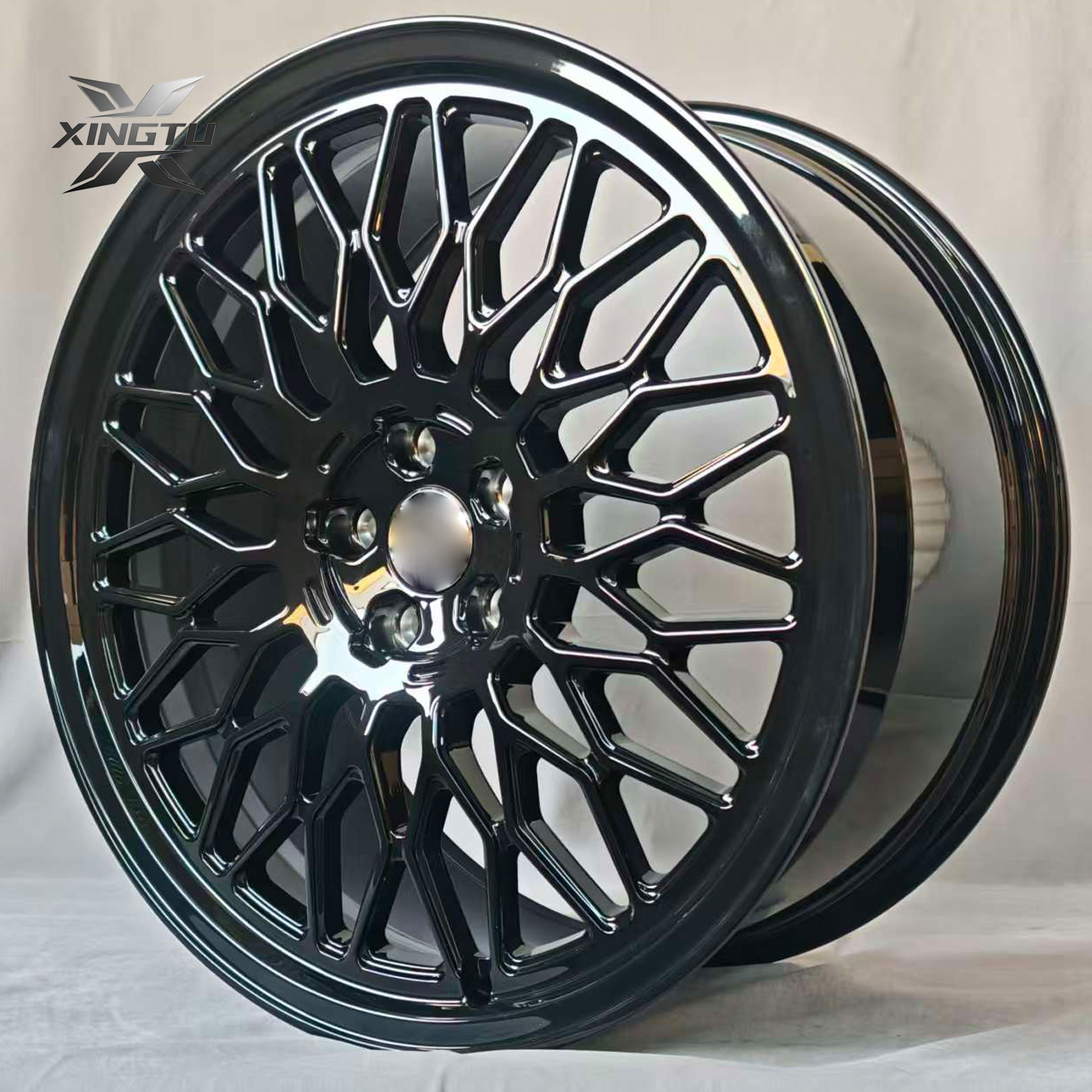
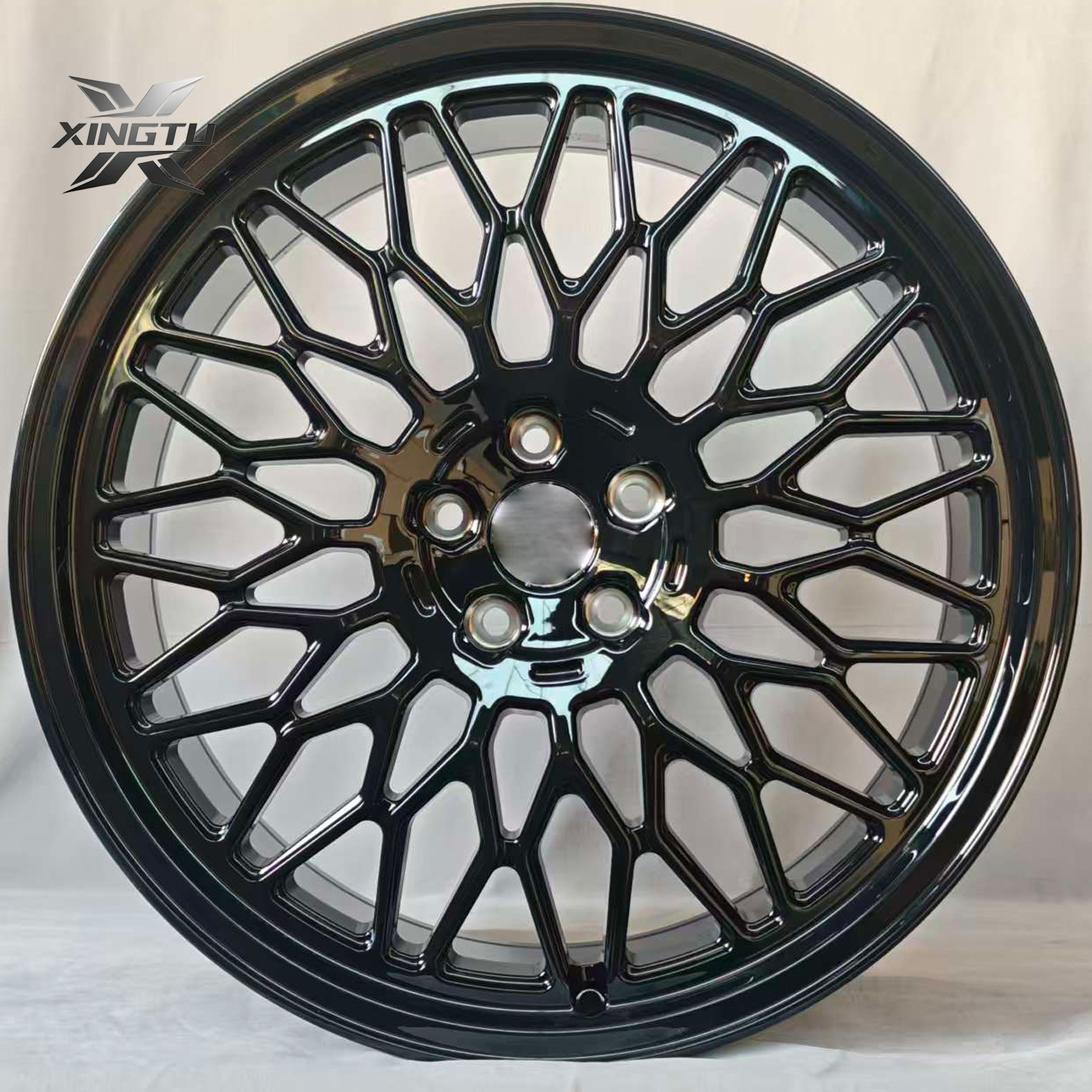
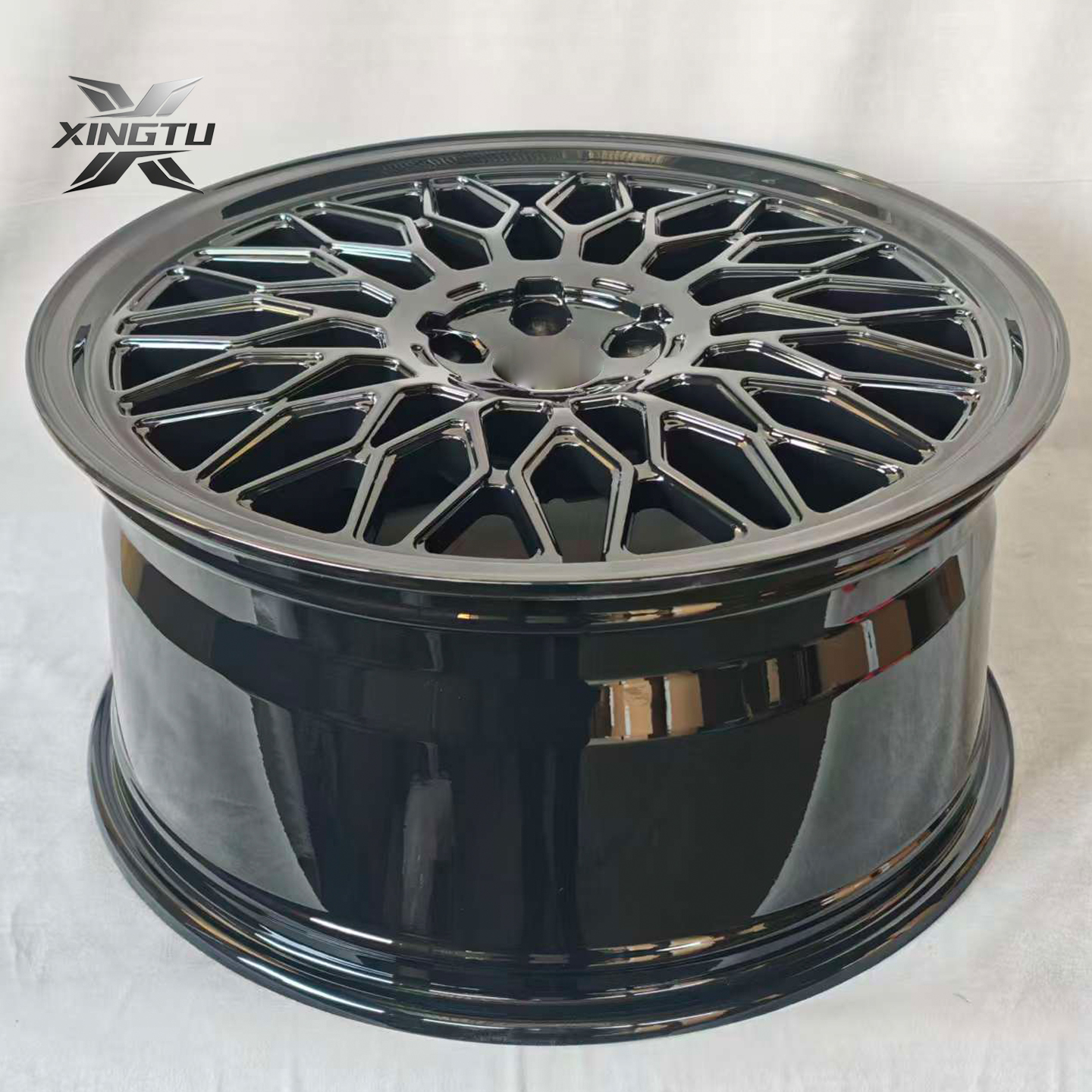
These Mercedes ML63 AMG Forged Wheels were developed for the 2012 Mercedes-Benz ML 63 AMG (W166), featuring a 21×10 forged monoblock construction with a gloss black lattice multi-spoke design.
The wheel specification is based on customer-submitted vehicle data, including ET56 offset, 5×112 bolt pattern, 66.6 mm center bore, and R14 ball-seat long-shank hardware. Its distinctive lattice face features Y-split spoke junctions and hexagonal openings, while the stepped outer lip is machined from the same forged blank to create a multi-piece-inspired appearance without a separate bolted assembly.



W166 Fitment Engineering

Precision CNC Machining & Quality Inspection

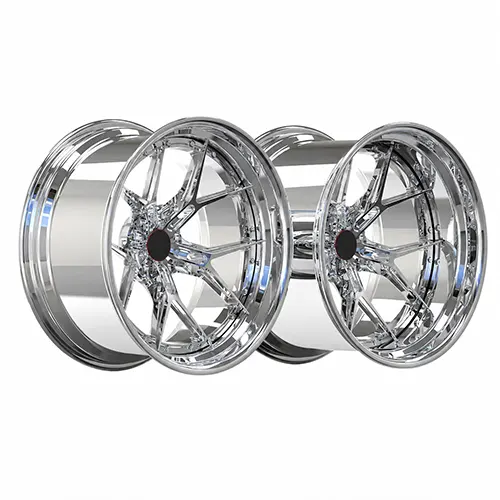
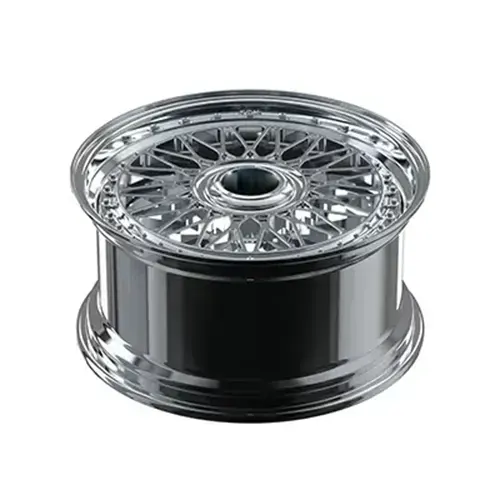
Custom Forged Wheel Designs & Finishes
Specifications
| Item | Specification |
| Model No. |
GD2610008 |
| Size |
21×10 |
| PCD |
5×112 |
| Offset (ET) |
ET56 |
| Center Bore |
66.6 mm |
| Weight |
16.7 kg per wheel |
| Load Rating |
1,000 kg per wheel |
| Lug Seat |
16×32 R14 ball seat, long shank |
| Finish |
Gloss Black |
| Construction | Forged Monoblock |
| Fitment Basis | Customer-Supplied Data |
| Lead Time | 25 days |
-
Descriptions

Engineering Details of the Mercedes ML63 AMG Forged Wheels
1. W166 Fitment and Mounting Compatibility
This 21×10 wheel configuration was developed around the submitted fitment data for the 2012 Mercedes-Benz ML 63 AMG W166.
The mounting specification includes:
- Wheel size: 21×10
- Offset: ET56
- Bolt pattern: 5×112
- Center bore: 66.6 mm
- Lug seat: R14 ball seat
- Hardware: 16×32 long-shank fixing
The R14 ball-seat interface is an important detail for Mercedes-Benz wheel installation. It should not be replaced with a conventional 60-degree tapered-seat fixing.
Bolt length must be checked against the actual hub and wheel mounting arrangement. Final compatibility also requires verification of AMG brake caliper clearance, suspension components, steering clearance, fender liners, and tire section width.
Any hub-centric spacer or offset adjustment should be evaluated as part of the complete fitment setup.
2. Forged Monoblock Construction and Lattice Design
The wheel is manufactured from one continuous forged aluminum blank. The hub pad, lattice face, and barrel are machined as a single structure rather than assembled from separately bolted wheel sections.
The design incorporates several distinctive machining details:
- Y-split spoke junctions connecting the outer lattice to the hub area.
- Hexagonal openings that reduce unnecessary material across the wheel face.
- A stepped outer lip machined into the same forged structure.
- Narrow lattice spokes with carefully machined transitions.
This construction creates the visual depth associated with multi-piece wheels while retaining a one-piece forged monoblock structure.
The finished wheel weighs 16.7 kg and carries a specified load rating of 1,000 kg.
3. Gloss Black Finish and Surface Details
The gloss black finish is designed to create a consistent appearance across the complex lattice structure.
The narrow spoke sections, hexagonal openings, and stepped lip require careful coating control to maintain an even surface appearance.
The finishing process includes:
- Surface preparation after CNC machining.
- Gloss black base coating.
- UV-stable clear coating.
- Coverage inspection around spoke junctions and recessed areas.
- Final gloss and coating consistency checks.
The result is a unified gloss black appearance across the wheel face, stepped outer lip, and barrel.
From Design to Delivery
Quality Inspection and Verification
Each wheel undergoes dimensional, structural, and surface inspections before shipment.
- 21×10 wheel dimensions inspected.
- ET56 offset checked.
- 5×112 bolt pattern and 66.6 mm center bore verified.
- R14 ball-seat interface checked.
- 16.7 kg wheel weight verified.
- Radial and lateral runout inspected.
- Lattice geometry and Y-split spoke junctions checked.
- Hexagonal openings inspected for consistent machining.
- Stepped lip depth and transition verified.
- Gloss black coating consistency inspected.
- Dynamic balancing completed.
- 61 mm center cap fit checked.
Final Result: 21-Inch Forged Wheels for W166 ML 63 AMG
The completed wheel combines a 21×10 forged monoblock structure with ET56 offset and a dense gloss black lattice face for the W166 ML 63 AMG application.
Its Y-split spokes create continuous visual connections from the hub to the outer face, while the hexagonal openings maintain an open multi-spoke appearance.
The integrated stepped lip adds visual depth without using a separate bolted outer section. Combined with the uniform gloss black finish, the design delivers a distinctive appearance for a custom Mercedes-AMG wheel setup.
Final vehicle compatibility should be confirmed against the actual hub, brake package, suspension, tire specifications, and mounting hardware before installation.

Upgrading a W166 ML 63 AMG to a 21-inch forged set?
XINGTU can build monoblock, two-piece and three-piece wheels to your hub data, brake package and target stance, with R14 ball-seat hardware matched to the Mercedes-Benz interface and finishes from gloss black to brushed or two-tone.
-
Build & Fitment
One-Piece Forged Monoblock Construction
These Mercedes ML63 AMG forged wheels are manufactured from a single forged aluminum blank, with the hub pad, lattice face, barrel, and stepped outer lip integrated into one continuous structure. Unlike conventional multi-piece wheels, this monoblock design uses no separately bolted wheel sections. The stepped lip is CNC-machined into the original forged blank, delivering a multi-piece-inspired appearance while maintaining one-piece structural construction.
Lattice Spoke Engineering, Weight and Load Rating
The 21x10 forged monoblock wheel features a precision-machined lattice face with Y-shaped spoke junctions and hexagonal cutouts. These openings reduce unnecessary material while maintaining continuous structural connections between the spokes and hub area. The finished wheel weighs 16.7 kg and carries a rated load capacity of 1,000 kg, making its structural design an important consideration for this W166 ML 63 AMG application.
Gloss Black Coating and Surface Quality
The gloss black finish highlights the intricate lattice spokes, recessed openings, and integrated stepped lip. A controlled base coat and UV-stable clear coat provide consistent surface coverage across narrow spokes, inner corners, and machined transitions. Coating inspection focuses on gloss uniformity, edge coverage, and surface consistency throughout the wheel face and barrel.
W166 Fitment and Mounting Specifications
This 21x10 wheel configuration is developed around the submitted specifications for the 2012 Mercedes-Benz ML 63 AMG W166. The mounting parameters include ET56 offset, a 5x112 bolt pattern, and a 66.6 mm center bore. The wheel uses an R14 ball-seat interface with 16x32 long-shank mounting hardware. Final installation requires verification of brake caliper clearance, hub compatibility, bolt engagement, suspension clearance, and tire fitment against the actual vehicle configuration.
-
FAQs
1.What wheel specifications are used for the Mercedes ML63 AMG W166?
The featured configuration uses 21×10 dimensions, ET56 offset, a 5×112 bolt pattern, and a 66.6 mm center bore. Final fitment should be checked against the actual vehicle configuration.
2.Are these Mercedes ML63 AMG forged wheels monoblock or multi-piece?
This model uses forged monoblock construction. The hub pad, lattice face, and barrel are machined from one continuous forged blank. The stepped lip creates a multi-piece-inspired appearance without a separate bolted joint.
3.What lug seat is required for this W166 forged wheel?
The specified mounting interface uses 16×32 R14 ball-seat, long-shank hardware. The bolt seat and length must be verified against the actual vehicle hub. A 60-degree tapered-seat fixing should not be substituted.
4.What makes the gloss black lattice wheel design distinctive?
The design combines Y-split spoke junctions, hexagonal openings, and an integrated stepped lip. Its gloss black finish provides a consistent appearance across the face and barrel.
5.Can the Mercedes ML63 AMG forged wheels be customized?
Yes. Wheel dimensions, offset, spoke design, finish, and other specifications can be discussed according to the vehicle's hub data, brake package, and intended fitment. Customization requires technical review before production.
6.What is the production lead time for this 21-inch forged wheel project?
The documented project schedule is 25 days, covering machining, finishing, inspection, balancing, and packing. The final production schedule should be confirmed when the order specifications are approved.
Related Products