19" Monoblock Forged Wheels for 2010 BMW Z4 | Matte Black Split Y-Spoke
- Model: L262818
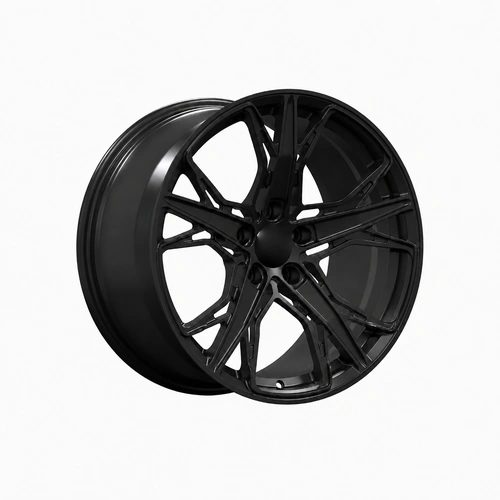
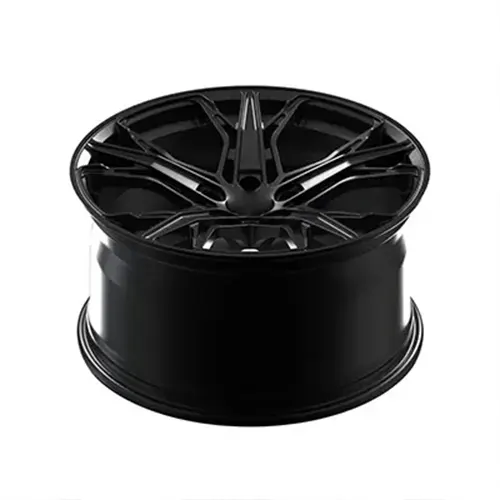
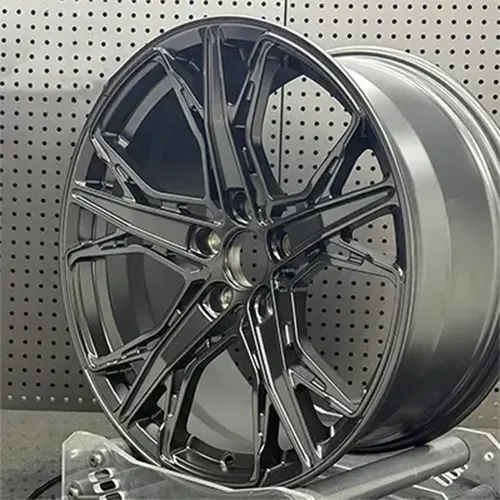
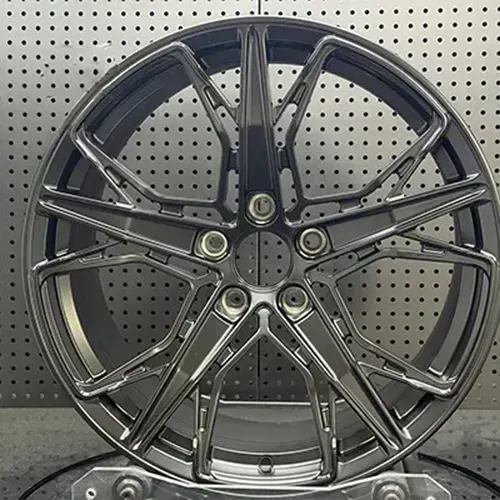
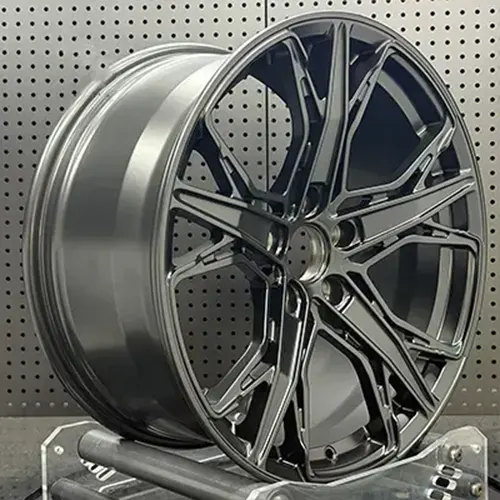
Slim split Y-spokes give this 19-inch monoblock a lighter visual structure without making the face look sparse. Front width is 19×9, with the rear increasing to 19×10 while retaining the same diameter and ET30 specification. Forged from 6061-T6 aluminum, each finished wheel weighs 10.6 kg and carries a 750 kg load rating. Matte Black keeps reflections controlled across the branching spokes, allowing the shape and open proportions of the wheel to remain the main focus.



Specifications
| Item | Specification |
| Model No. | L262818 |
| Front Wheel Size | 19x9.0 |
| Rear Wheel Size | 19x10 |
| Bolt Pattern (PCD) | 5x120 |
| Offset (ET) | 30 |
| Center Bore (CB) | 72.6 mm |
| Lug Spec | 15×32×60 (taper) |
| Weight | 10.6 kg |
| Load Rating | 750 kg |
| Construction | Monoblock Forged |
| Finish | Matte Black |
-
Descriptions

Engineering Notes
Low finished mass is one of the most useful numbers on this wheel, but the 10.6 kg figure makes more sense when read together with the face design. The split Y-spoke layout divides the wheel into a series of narrow branching sections, creating generous open space without relying on large decorative cut-outs or a multi-piece outer rim.
The complete wheel is CNC-machined from a single 6061-T6 forged blank. Monoblock construction keeps the spoke network, hub area and barrel within one continuous structure, while the published 750 kg load rating gives the finished weight a clear structural reference.
Front sizing is 19×9 and rear sizing increases to 19×10. Both remain 19 inches, so the stagger is created through width rather than a larger rear diameter. The specification lists ET30 together with a 5×120 bolt pattern, 72.6 mm center bore and 15×32×60° taper seat.
Split Y-Spokes Give the Wheel Its Character
The face avoids the visual weight of broad five-spoke forms without becoming as dense as a traditional mesh.
Each main spoke divides as it moves outward, spreading the structure across the 19-inch face while leaving enough negative space for the wheel to remain visually open. That branching pattern is especially effective on the wider rear wheel because the additional width does not require a heavier-looking center to create presence.
Matte Black supports the same idea. The low-reflection finish softens highlights across the narrow spoke sections and keeps the complete face visually composed. There is no polished lip, bright hardware or secondary color competing with the actual wheel geometry.
From Design to Delivery
Quality Verified
Inspection focuses on the dimensions and mounting details that define the completed wheel, together with balance, structural rating and the consistency of the Matte Black surface.
- Quality Verified 100% CMM dimensional inspection
- Dynamic balancing
- Structural load testing (750kg rated)
- Taper-seat fit check
- Matte Black finish QC
Result
The finished wheel has a restrained character that suits the simplicity of the monoblock construction.
Split Y-spokes make the face appear lean and open, while Matte Black prevents the detailed branching pattern from becoming visually busy. The 19×10 rear introduces more physical width than the 19×9 front, yet the shared 19-inch diameter keeps the set closely related from axle to axle.
The strongest commercial point is also easy to understand: the wheel combines a 10.6 kg finished mass with a documented 750 kg load rating in a forged monoblock. There is no need to exaggerate the result with generic track or handling claims—the specification already gives buyers something concrete to evaluate.

Want a lightweight monoblock for your roadster or sports car?
Get a forged setup tuned to your exact fitment
-
Build & Fitment
Only width changes between the two axles.
Keeping both wheels at 19 inches preserves one consistent visual scale, while the extra inch at the rear gives the back of the Z4 more wheel section without introducing a split-diameter appearance.
That makes the stagger relatively subtle: it is visible through proportion rather than an oversized rear wheel.
ET30 Is the Published Offset
The current specification records ET30 rather than separate front and rear offset values.
That should remain exactly as published. There is no benefit in inventing axle-specific ET numbers simply because the rear wheel is wider.
Width still matters when interpreting the fitment: the 19×10 rear has a different inner and outer wheel position from the 19×9 front even when the listed offset remains the same.
Mounting Geometry Goes Beyond 5×120
The recorded interface combines:
5×120 PCD
72.6 mm center bore
15×32×60° taper seatThose dimensions belong together. Bolt pattern identifies the fastener arrangement, while center bore and lug-seat geometry complete the mounting specification.
The original Engineering Notes describe the bore as hub-centric, so that detail can remain part of the product value without turning the copy into a generic “BMW fitment” claim.
10.6 kg and 750 kg Should Be Read Together
Finished mass alone does not tell buyers enough.
The more useful comparison is that each monoblock is recorded at 10.6 kg while carrying a 750 kg load rating. One number explains mass; the other provides the corresponding structural reference.
That relationship is considerably more persuasive than simply calling the wheel “ultra-lightweight.”
Another E89 May Still Need a Fitment Check
The wheel design can remain visually consistent while dimensions change for another vehicle setup. Suspension configuration, brake hardware, tire choice or the intended wheel position can affect the final specification.
For another Z4 configuration, XINGTU can review the final wheel dimensions before machining rather than assuming the same width and offset should be carried over unchanged.
-
FAQs
1. What sizes are used on these BMW Z4 E89 forged wheels?
The front wheels measure 19×9, while the rear wheels are 19×10.
2. Are both front and rear wheels 19 inches?
Yes. Diameter remains 19 inches on both axles; the stagger comes from the additional rear width.
3. What offset is specified?
The current specification lists ET30.
4. How much does each wheel weigh?
Each finished wheel is listed at 10.6 kg.
5. What load rating does the wheel have?
The published load rating is 750 kg per wheel.
6. What construction is used?
The wheel is CNC-machined from a 6061-T6 forged blank using monoblock construction.
7. What bolt pattern and center bore are used?
The specification records 5×120 PCD and a 72.6 mm center bore.
8. What lug-seat profile is specified?
The recorded lug seat is 15×32×60° taper.
9. What finish is used?
The wheel is finished in Matte Black.
10. Why use a split Y-spoke design?
The branching spoke layout creates a slimmer, more open 19-inch face and gives the monoblock a visually light character without relying on a separate lip or decorative hardware.
11. Is this a two-piece forged wheel?
No. It is a forged monoblock, so
2-Piece Assemblyshould not appear in the production timeline.12. Can the same specification be used on every BMW Z4 E89?
Not automatically. Wheel position can change with suspension, brakes, tires and other vehicle-specific requirements, so final dimensions should be checked before production.
More Forged Wheel Cases