2022 Ram 3500 | Staggered 24" 2-Piece Forged · Polished Mesh + Orange Accent
- Model: SDBS751-3
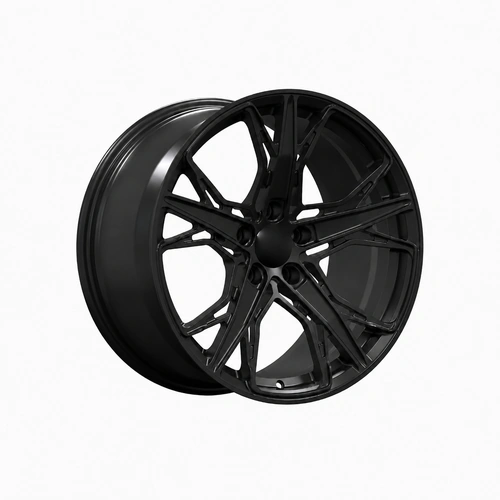
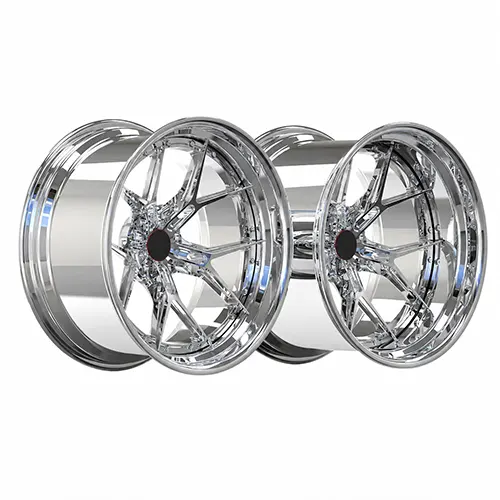
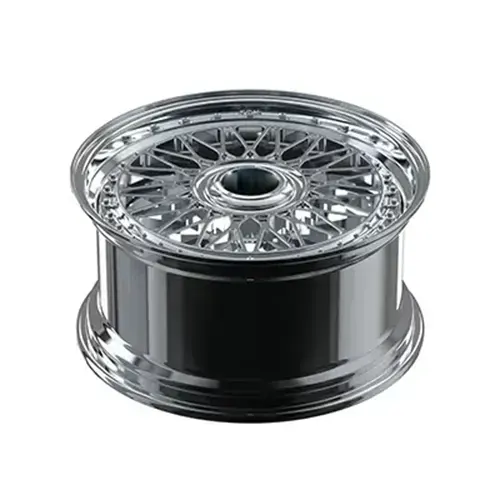
Large proportions suit the Ram 3500, but size alone is not what gives this wheel its character. A polished mesh center fills the 24-inch face with fine detail, while small orange accents interrupt the bright metal surface with a sharper custom touch. Width increases from 24×10 at the front to 24×12 at the rear, creating a much deeper rear profile and a stance that feels properly scaled for a heavy-duty truck.


Specifications
| Item | Specification |
| Model No. | SDBS751‑3 |
| Construction | 2‑Piece Forged, 6061‑T6 Aluminum |
| Front Size | 24 × 10 |
| Rear Size | 24 × 12 |
| PCD | 8 × 165.1 |
| Front Offset | ET‑20 |
| Rear Offset | ET‑40 |
| Center Bore | 121.3 mm |
| Front Weight | 20 kg |
| Rear Weight | 21 kg |
| Load Rating | 1,500 kg |
| Finish | Polished Face + Orange Accent |
-
Descriptions

Engineering Notes
Heavy-duty capacity sits at the center of this wheel package. Each wheel carries a listed 1,500 kg load rating, so the 24-inch format is supported by a specification suited to the scale and demands of a Ram 3500 rather than treated simply as a visual upgrade.
Front and rear geometry take different roles. A 24×10 front at ET-20 already establishes a broad position, while the 24×12 rear moves to ET-40 and creates substantially greater barrel depth. Combining width and negative offset produces the rear-heavy proportion deliberately instead of forcing all four wheels into the same shape.
Polished mesh prevents the large 24-inch face from becoming visually flat. Numerous narrow spokes break up the surface, while small orange details interrupt the polished metal without competing with it.
Two-piece construction gives the wide rear specification practical design freedom as well. Center position, barrel depth and finish treatment can be developed around the required dimensions instead of treating the 12-inch rear as an enlarged copy of the front wheel.
From Design to Delivery
Quality Verified
- CMM dimensional inspection on PCD, bore & offset
- Torque-spec assembly hardware, sealed & pressure-tested
- Negative-offset fitment confirmed before machining
- Dynamic balancing on every wheel
- Load-rated to 1500kg per wheel
Result
Scale, load capacity and rear depth work together rather than competing for attention. Viewed from the front, polished mesh keeps the 24-inch face detailed; from a rear angle, the extra two inches of width and more negative offset become the stronger visual signature.

Building a Ram 3500, F-350, or other heavy-duty truck (8-lug)?
Get a custom two-piece forged set rated for your load
-
Build & Fitment
More Depth Where It Matters
A two-inch difference between front and rear width has a clear effect on this truck. The 24×10 front keeps the wheel substantial enough for the large body, while the 24×12 rear develops the deeper barrel that defines the stance.
ET-20 and ET-40 reinforce that difference. Rather than making all four wheels appear identical, this configuration deliberately adds more visual weight toward the back.
Why the Mesh Face Works at 24 Inches
Large wheel diameters can expose too much empty surface when the spoke design is overly simple. Here, a fine mesh pattern breaks the face into numerous smaller sections.
Reflections move across the polished spokes from different angles, which gives the wheel more visual texture. Orange details become noticeable only after the main polished form has already caught the eye, creating a more layered finish.
Built Around the Actual Truck
Ram 3500 builds can vary considerably once suspension changes, tire upgrades or other modifications are introduced. Copying the same negative offsets onto another truck without checking clearance would not be a sensible approach.
Suspension height, tire diameter and body clearance can all change the usable offset range on a heavy-duty truck. Final dimensions therefore need to be checked against the actual vehicle configuration before machining.
-
FAQs
1. Why does this Ram 3500 use 24×10 front and 24×12 rear wheels?
Extra rear width creates a deeper profile and gives the truck more visual weight at the back. The 24×10 front keeps the overall scale substantial without duplicating the much wider rear specification.
2. What offsets are used on this Ram 3500?
This setup uses ET-20 at the front and ET-40 at the rear. Both are negative offsets, so actual vehicle clearance should be checked before applying the same specification to another truck.
3. How much load is each wheel rated for?
The listed load rating is 1,500 kg per wheel for this configuration.
4. Why use a 2-piece forged design on such a wide wheel?
Separate center and barrel sections provide more freedom when developing width, depth and finish combinations. That flexibility is especially useful for a staggered 24-inch setup with a 12-inch-wide rear.
5. Can the orange accent be replaced with another color?
Yes. Accent colors and other available finishes can be adjusted according to the visual direction of another custom wheel set.
6. Will this exact setup fit every Ram 3500?
No single specification should be assumed to fit every modified truck. Suspension height, tires, body clearance and other changes may affect the required width or offset.
7. Can the rear wheel be made less aggressive?
Width and offset can be revised when a different stance or clearance requirement calls for a more restrained rear position.
8. What information is useful before ordering another Ram 3500 setup?
Vehicle year, current suspension setup, intended wheel and tire size, desired stance and any relevant modifications provide a useful starting point for fitment review.
More Forged Wheel Cases