18" 2-Piece Forged Deep-Dish Wheels for 2007 Volvo C30 T5 | Matte Silver Face + Polished Lip
- Model: 256229
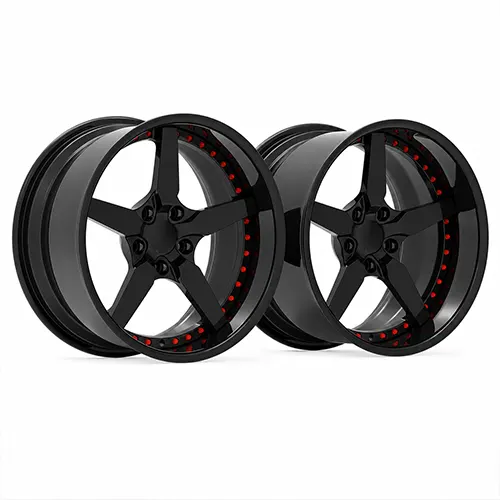
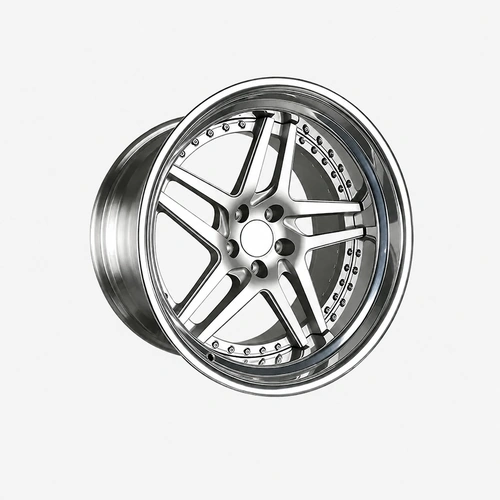
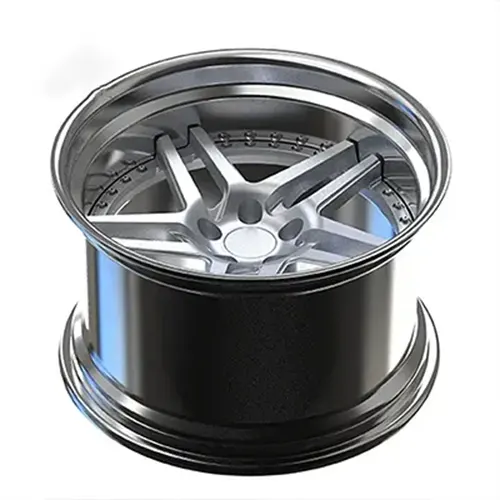
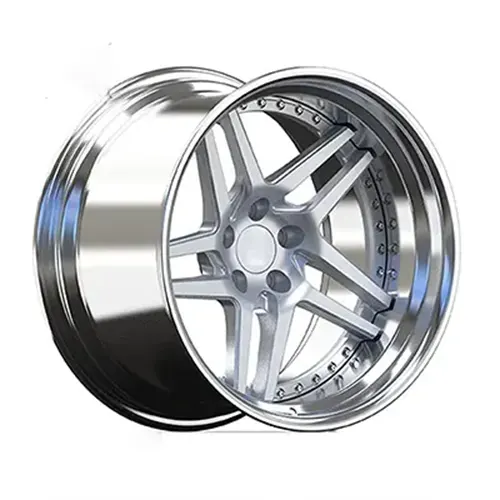
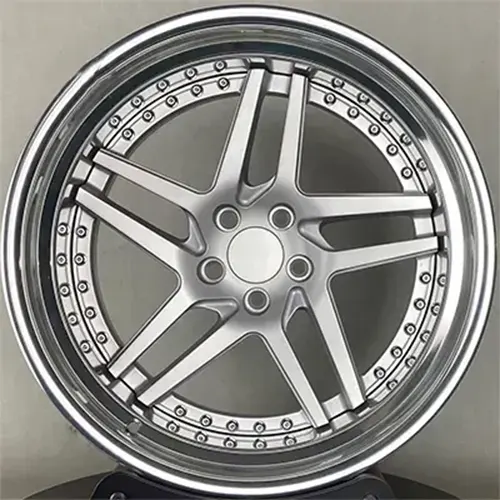
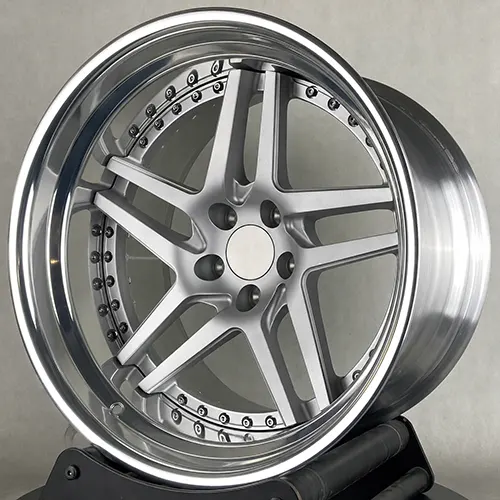
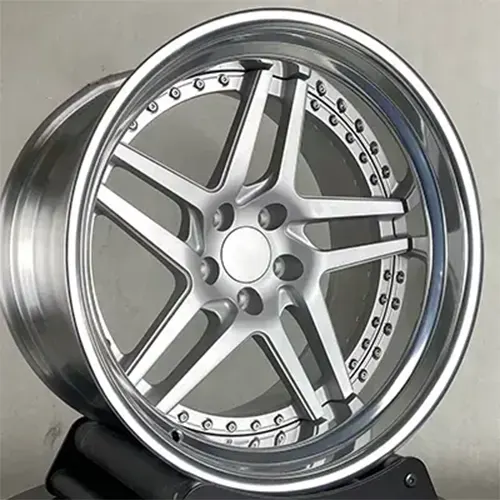
An 18×11 wheel is already substantial for the compact C30 body; pairing that width with ET-20 changes the character completely. The forged five-spoke center sits noticeably inside the polished outer barrel, creating real dish rather than a recessed-face illusion. Matte Silver keeps the center visually calm, allowing the polished rim and wheel depth to carry the design. Behind the appearance are a 750 kg load rating, 5×10⁸ / CB63.4 mounting dimensions and a specified 60° lug-seat profile.



Specifications
| Item | Specification |
| Model No. | 256229 |
| Wheel Size | 18x11 |
| PCD (Bolt Pattern) | 5x10⁸ |
| Offset (ET) | -20 |
| Center Bore (CB) | 63.4 |
| Load Rating | 750kg |
| Construction | 2‑Piece Forged |
| Finish | Matte Silver Center + Polished Lip |
| Hardware | Lug bore 15×32×60 |
-
Descriptions

Engineering Notes
Running an 18×11 wheel at ET-20 gives the compact C30 a much broader visual footprint than a conventional hatchback setup. More importantly, that width creates genuine outer depth, so the deep-dish appearance comes from wheel geometry rather than an exaggerated spoke shape.
Two-piece construction suits this proportion particularly well. Center placement and outer lip depth can be developed as separate elements, allowing the wheel face to stay relatively compact while the polished outer section carries more of the visual width.
Matte Silver Keeps the Depth Under Control
Matte silver softens the complexity of the multi-spoke center and prevents the wide wheel from becoming visually heavy. Polished metal around the outer edge does the opposite—it catches light and makes the depth immediately readable from an angle.
That contrast gives this C30 setup its identity: unusually wide, clearly deep, but still restrained enough to suit the clean body shape.
For comparable 5×10⁸ builds, width and offset should be established around the actual suspension, brake and body clearance rather than copied from appearance alone.
From Design to Delivery
Quality Verified
Inspection on this wheel is closely tied to the deep-dish geometry and genuine two-piece assembly rather than generic performance claims.
- Quality Verified 100% CMM dimensional inspection
- Dynamic balancing
- Structural load testing (750kg rated)
- Lug-bore seat check
- Torqued-to-spec rim bolts
- Two-tone finish QC
Result
The strongest impression is not an aggressive spoke design; it is how deeply the center sits within the wheel.
That gives the C30 a very different proportion while preserving a straightforward five-spoke face. The product succeeds because the styling follows the engineering: 18×11 width and ET-20 create the space, two-piece construction turns that space into real dish, and the finish simply makes the structure easier to see.

Want an aggressive deep-dish fitment for your hatch or sedan?
Get a 2-piece setup tuned to your exact width & offset
-
Build & Fitment
Deep Dish Starts at the Mounting Plane
ET-20 is not just a stance number. Combined with an 11-inch width, it determines how much of the wheel sits inside and outside the mounting plane.
That geometry is the reason the polished barrel can achieve the depth shown on the finished wheel.
Packaging Matters More Than Lip Preference
A customer cannot simply request the same dish with any width or offset.
Changing either figure changes the available barrel depth and the relationship with the fender and suspension. The existing notes already identify fender clearance as part of the engineering work.
Mounting Details
The recorded interface uses 5×10⁸ PCD, a 63.4 mm center bore and a 15×32×60 lug-seat specification.
For another C30 configuration, XINGTU can confirm the available wheel space before machining, particularly when a similar deep-dish profile is required.
-
FAQs
1. Why does this Volvo C30 T5 wheel have such a deep-dish profile?
The depth comes from the actual 18×11 wheel width, ET-20 offset and genuine two-piece construction. The forged center is positioned inside a separate polished barrel, so the dish is created by the wheel geometry itself rather than by a recessed face designed to imitate depth.
2. What makes ET-20 important on this setup?
ET-20 changes where the mounting face sits within the 11-inch wheel section. That affects both the visible outer lip and the space available around the body and suspension. The existing Engineering Notes specifically connect this geometry with fender clearance, so the offset is part of the fitment solution, not simply a styling number.
3. Why use a five-spoke center instead of a mesh or multi-spoke face?
A simpler five-spoke center leaves more of the polished barrel exposed. On a wheel where deep dish is the dominant visual feature, a cleaner face allows the actual rim depth to remain visible rather than being hidden behind a dense spoke pattern.
4. Are the visible rim bolts functional?
Yes. The page describes a genuine two-piece forged assembly with rim bolts tightened to specification. They belong to the wheel construction rather than being decorative fasteners added to simulate a multi-piece design.
5. How is the wheel mounted to the C30 hub?
The recorded specification uses a 5×10⁸ bolt pattern, 63.4 mm center bore and a 15×32×60 lug-seat profile. These dimensions work together at the mounting interface and should be treated as a complete fitment specification.
6. What engineering value does the 750 kg load rating add?
The 750 kg rating gives the completed 18×11 forged wheel a measurable structural reference. That is particularly useful on a wide deep-dish wheel because buyers can evaluate the finished product through published load data rather than relying on broad claims about forged strength.
7. Can the same lip depth be used if the wheel width or offset changes?
Not necessarily. Dish depth depends directly on width, offset and available vehicle clearance. A different C30 configuration may require a different center position or barrel depth even if the same five-spoke design is retained.
8. What makes this wheel different from a conventional deep-look monoblock?
The center and barrel are genuinely separate forged components. That allows the polished outer section to have real physical depth and gives the wheel a different architectural relationship from a one-piece wheel using a concave face to create a similar visual impression.