20×9.0 / 20×10.5 Forged Monoblock Wheels for 2016 Mercedes-AMG GLS 63 (X166) – Full Gloss Black with Forged Carbon Fiber Face Plate 5×112
- Model: 2603739
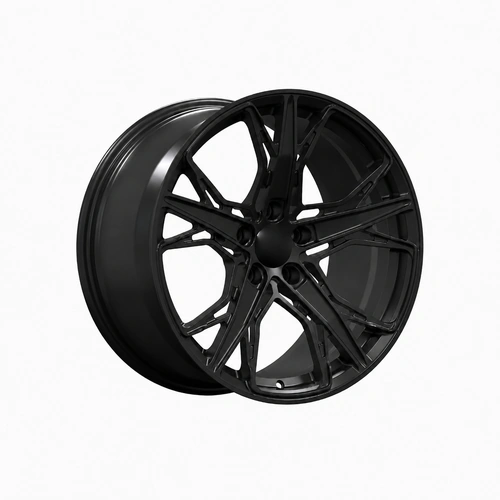
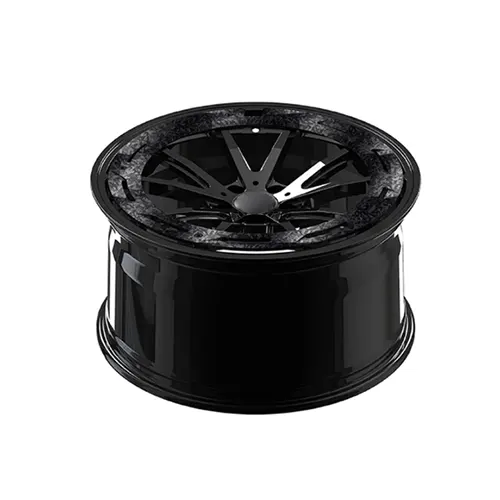
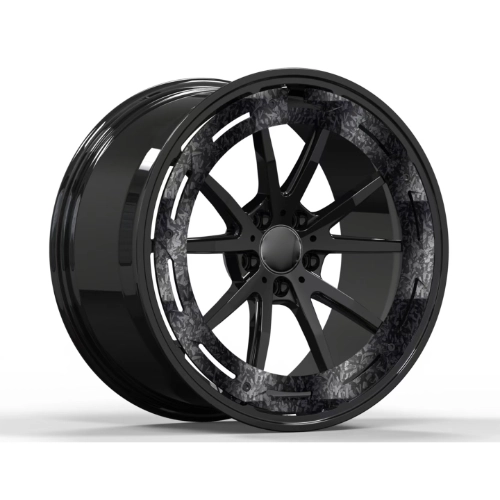
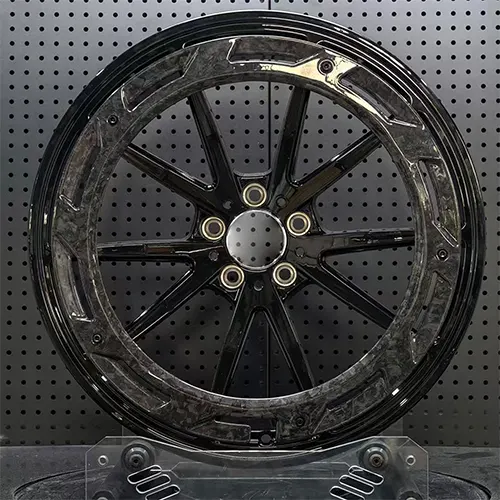
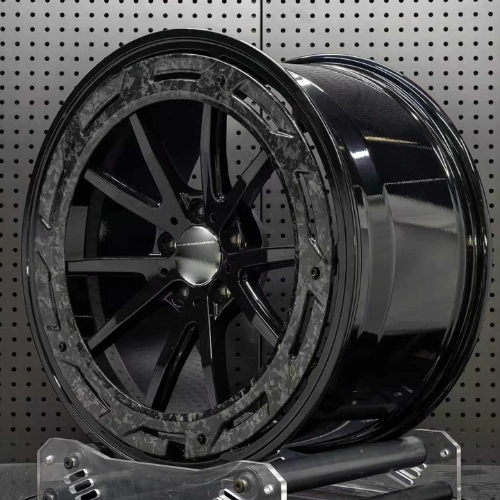
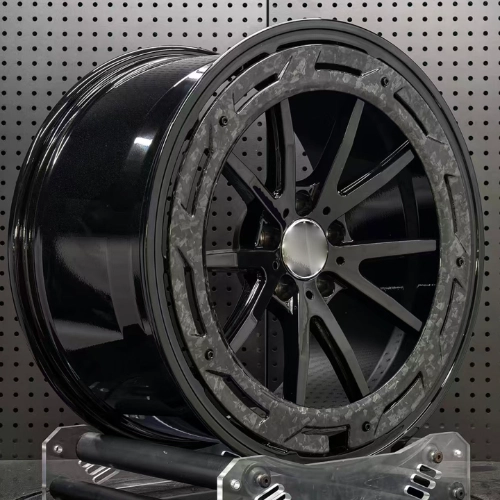
Developed for the 2016 Mercedes-AMG GLS 63 (X166), these staggered 20-inch forged monoblock wheels combine a Full Gloss Black finish with distinctive forged carbon fiber face plates. The decorative carbon inserts sit within the outer wheel face, adding a marbled material contrast to the black multi-spoke design while retaining the strength and structure of the forged aluminum wheel body.



Specifications
| Item | Specification |
| Model No. | 2603739 |
| Size (Front) | 20×9.0 |
| Size (Rear) | 20×10.5 |
| Configuration | Staggered |
| Pitch Circle Diameter (PCD) | 5×112 |
| Offset (ET) (Front) | ET35 |
| Offset (ET) (Rear) | ET45 |
| Center Bore | 66.6 mm |
| Weight (Front) | 11.7 kg |
| Weight (Rear) | 12 kg |
| Load Rating | 850 kg per wheel |
| Lug Seat | 15×32×R14 ball seat, short shank / R14 |
| Finish | Full Gloss Black (spokes + barrel wet paint) + Forged Carbon Fiber face plate (customer-supplied) |
| Construction | Forged Monoblock + bolted forged carbon decorative plate |
| Lead Time | 45 days |
-
Descriptions

Engineering Notes
XINGTU's engineers want to highlight three details that define this build.
Forged Monoblock Construction with Carbon Fiber Detailing
The wheel combines a forged aluminum monoblock body with a separate forged carbon fiber face plate. The aluminum center, spokes and barrel form a continuous structural component, while a CNC-machined recess accommodates the carbon insert around the outer wheel face.
The forged carbon plate features an irregular marbled pattern rather than a conventional woven carbon texture. Mechanical fasteners secure the plate within the recessed mounting area, creating a defined transition between the decorative insert and the surrounding aluminum spokes.
The carbon face plate serves a decorative purpose and remains separate from the wheel's primary load-bearing structure. Its independent mounting also allows the decorative component to be removed or replaced without changing the forged wheel body.
The finished front wheel weighs 11.7 kg and the rear wheel weighs 12 kg, with a stated load rating of 850 kg per wheel.
Full Gloss Black Finish & Carbon Fiber Contrast
Full Gloss Black covers the forged aluminum spokes, wheel center and barrel, creating a continuous reflective surface beneath and around the carbon fiber detailing.
The carbon plate introduces a different surface texture. Its irregular dark and light fibers contrast with the smooth black coating, allowing the material difference to remain visible without introducing a second painted color.
The aluminum wheel body receives its black coating and clear finish before the carbon plate is installed. Consistent coating coverage around the spoke edges and recessed mounting area helps preserve a clean transition between the two materials.
The separate finishing, carbon plate alignment and mechanical assembly contribute to the recorded 45-day production schedule.
Staggered Fitment for the Mercedes-AMG GLS 63
The 2016 Mercedes-AMG GLS 63 (X166) wheel set features 20×9.0 front wheels with an ET35 offset and 20×10.5 rear wheels with an ET45 offset. Both use a 5×112 bolt pattern, 66.6 mm center bore and 15×32×R14 ball-seat mounting specification.
The staggered widths create distinct front and rear proportions while preserving the same 20-inch diameter and carbon-accented design.
The R14 ball-seat profile is an important part of the wheel's mounting geometry. Compatible fasteners must match the specified seat radius and contact surface, in addition to the vehicle's thread and installation requirements.
These dimensions describe the completed GLS 63 project. Brake clearance, suspension geometry, tire specifications and mounting hardware should correspond to the intended vehicle configuration.
From Design to Delivery
Quality Verified
- Front 20×9.0 and rear 20×10.5 dimensions inspected
- ET35 front and ET45 rear offsets verified
- 5×112 PCD and 66.6 mm center bore checked
- 15×32×R14 ball-seat contact profile inspected
- Front wheel weight recorded at 11.7 kg
- Rear wheel weight recorded at 12 kg
- Radial and lateral runout inspected
- Forged aluminum wheel body and hub-centric dimensions checked
- Carbon plate recess depth and seating alignment inspected
- Gloss Black coating uniformity and clear-coat finish checked
- Carbon plate perimeter fasteners and alignment inspected
- Dynamic balancing completed for each wheel
Result
The completed wheel set brings together a reflective black forged aluminum body and the irregular texture of forged carbon fiber. The carbon face plates sit within the machined outer recesses, creating a distinctive material contrast against the surrounding Gloss Black spokes.
The 20×9.0 front and 20×10.5 rear wheels retain a coordinated design despite their different widths. Each carbon plate remains a separate decorative component, secured to the forged monoblock body without becoming part of its load-bearing structure.

Running a Mercedes-AMG GLS / GLE / G-Class / S-Class and want a wheel machined to the correct R14 ball seat with a custom carbon or painted finish?
XINGTU forges to your exact OEM fitment—including staggered diameters, ball-seat matching, full wet-paint colors, and bolted carbon face plates (customer-supplied or sourced).
-
Build & Fitment
Staggered Front & Rear Specifications
The 2016 Mercedes-AMG GLS 63 wheel set features a 20×9.0 ET35 front configuration and a 20×10.5 ET45 rear configuration. Both wheels share a 5×112 bolt pattern, 66.6 mm center bore and 15×32×R14 ball-seat specification. The different widths retain the same overall spoke design and carbon fiber detailing across both axles.
Forged Aluminum Body & Decorative Carbon Plate
The forged monoblock body provides the wheel's structural foundation, while a separate forged carbon fiber face plate fits into the CNC-machined outer recess. Perimeter fasteners secure the decorative insert without forming a structural connection between the wheel center and barrel. The front and rear wheels weigh 11.7 kg and 12 kg respectively, with a stated load rating of 850 kg per wheel.
Ball-Seat Mounting & Vehicle Compatibility
The 15×32×R14 ball-seat profile requires correctly matched wheel bolts. Mounting compatibility involves the bolt pattern, center bore, seat geometry, brake clearance and wheel position. The featured production dimensions apply to this GLS 63 configuration and should be checked against the actual vehicle before installation.
-
FAQs
1. Are These Forged Wheels Compatible with Every Mercedes-AMG GLS 63?
The featured wheels were produced for a 2016 Mercedes-AMG GLS 63 (X166) configuration. Their 20×9.0 ET35 front and 20×10.5 ET45 rear specifications reflect this particular project. Actual compatibility depends on the vehicle's mounting dimensions, brake clearance, suspension setup and selected tire sizes.
2. Is the Carbon Fiber Face Plate Structural?
No. The forged carbon fiber plate serves as a decorative insert attached to the wheel's outer face with mechanical fasteners. The forged aluminum monoblock body provides the wheel's structural support.
3. What Are the Wheel Weights and Load Ratings?
The front wheel weighs 11.7 kg and the rear wheel weighs 12 kg. Both use forged monoblock construction and carry a stated load rating of 850 kg per wheel.
4. What Type of Wheel Bolts Does This Design Require?
The wheel uses a 15×32×R14 ball-seat specification. Mounting bolts must match the seat radius, contact profile and vehicle thread requirements. A 60° taper-seat fastener should not be substituted for the specified R14 ball-seat design.
5. Can the Forged Carbon Fiber Plate Be Removed or Replaced?
The decorative carbon plate uses perimeter fasteners and sits in a machined recess, allowing separate removal or replacement. Any replacement plate must match the recess dimensions and fastening arrangement, and installation must maintain the specified assembly requirements.
6. How Long Does Production Take for This Wheel Set?
The recorded production lead time is 45 days. The process includes forged monoblock machining, Gloss Black coating, clear-coat curing, carbon plate fitting, mechanical assembly and final inspection. Shipping transit and any additional design revisions are separate from the production schedule.
Related Products