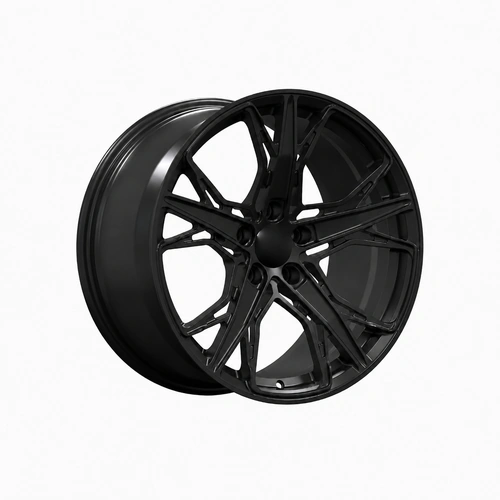
18×7.5 Forged Wheels for Acura – Gloss Black Mesh Design 5×114.3
- Model: GD2610034-1875
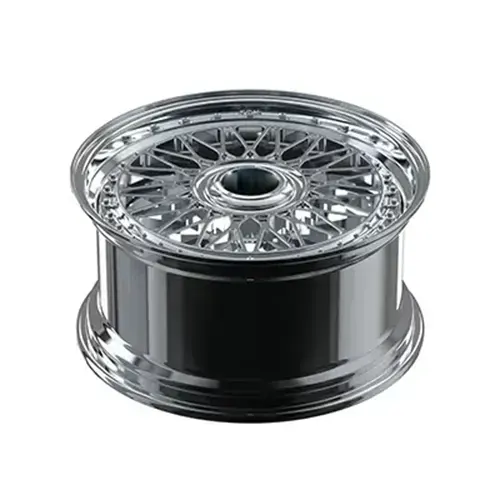
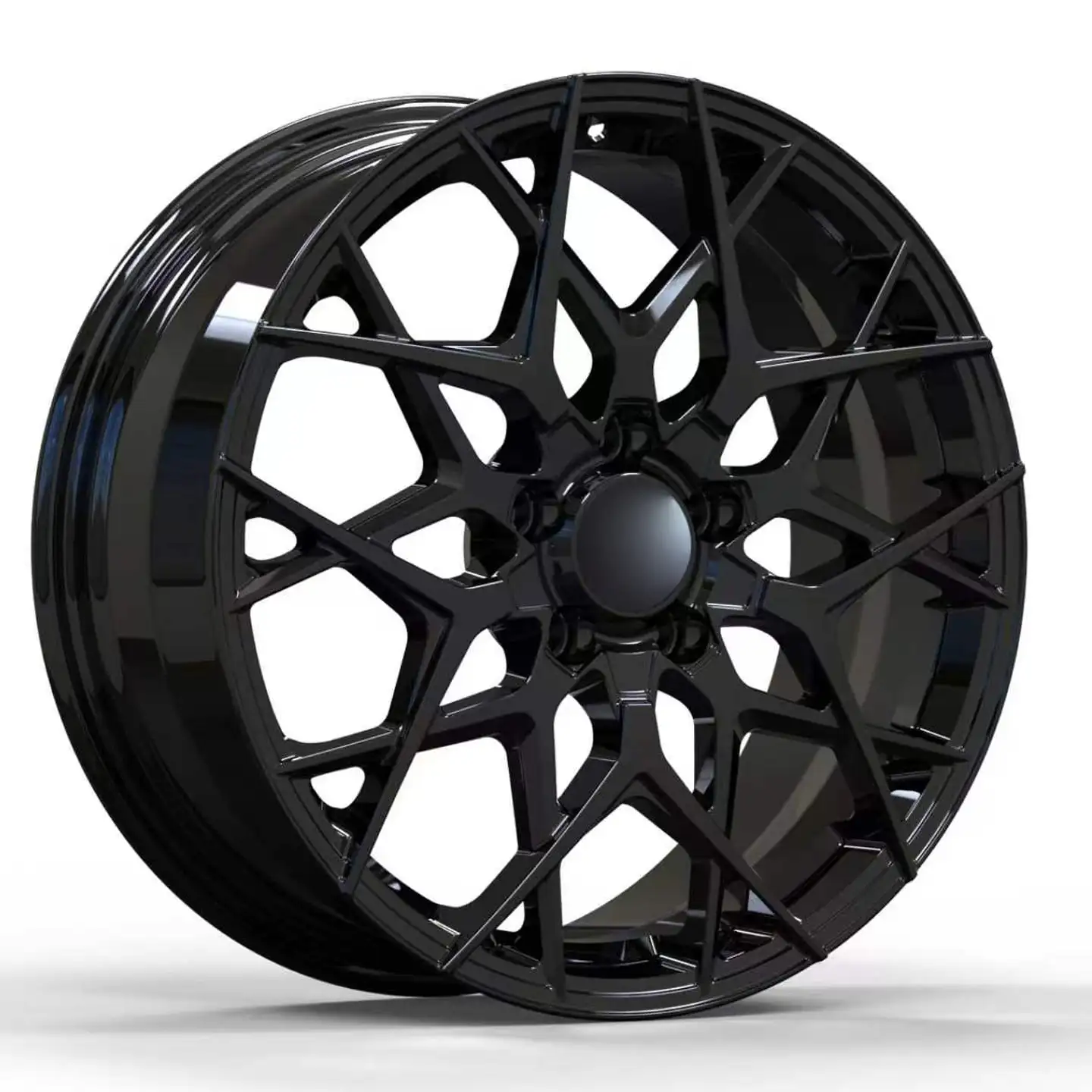
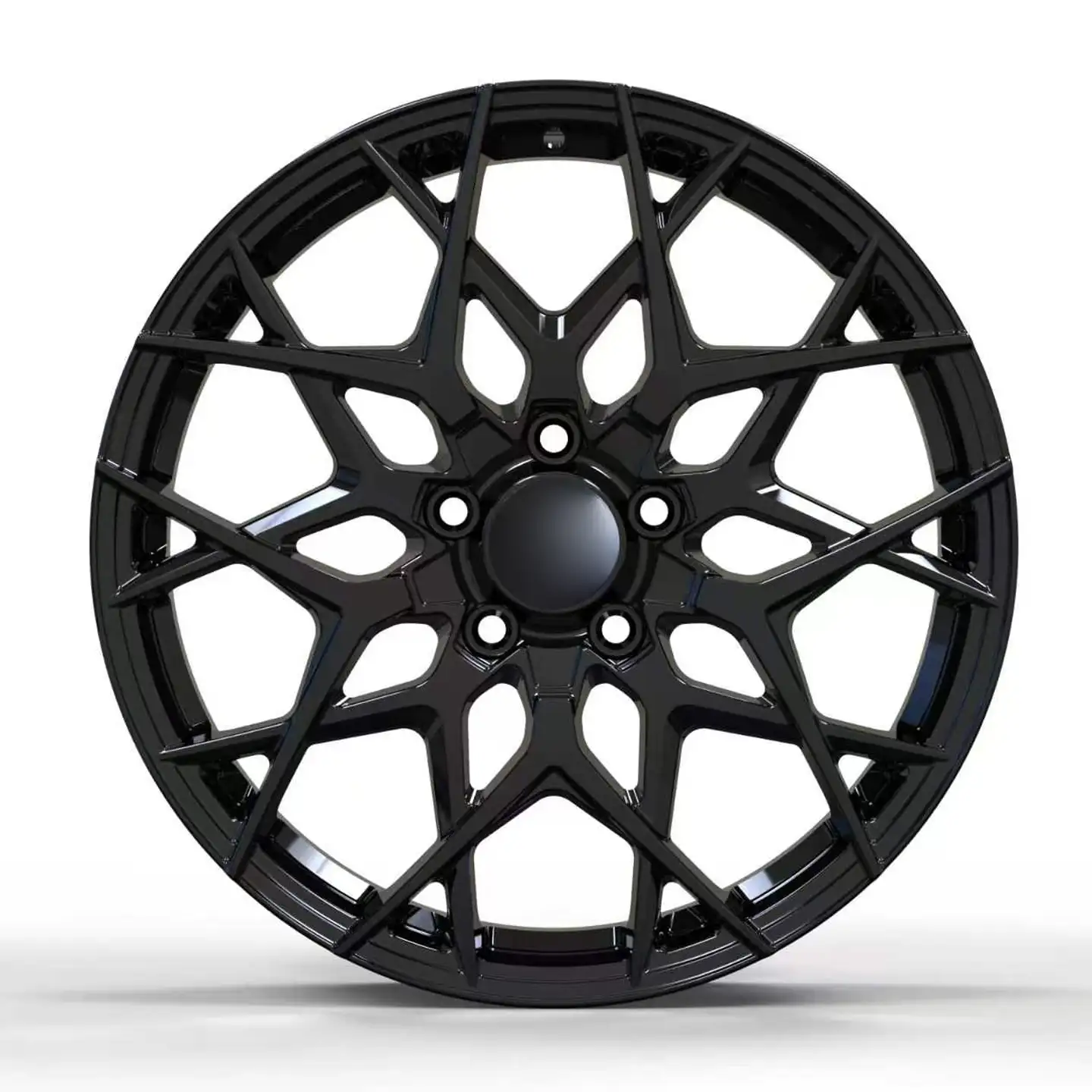
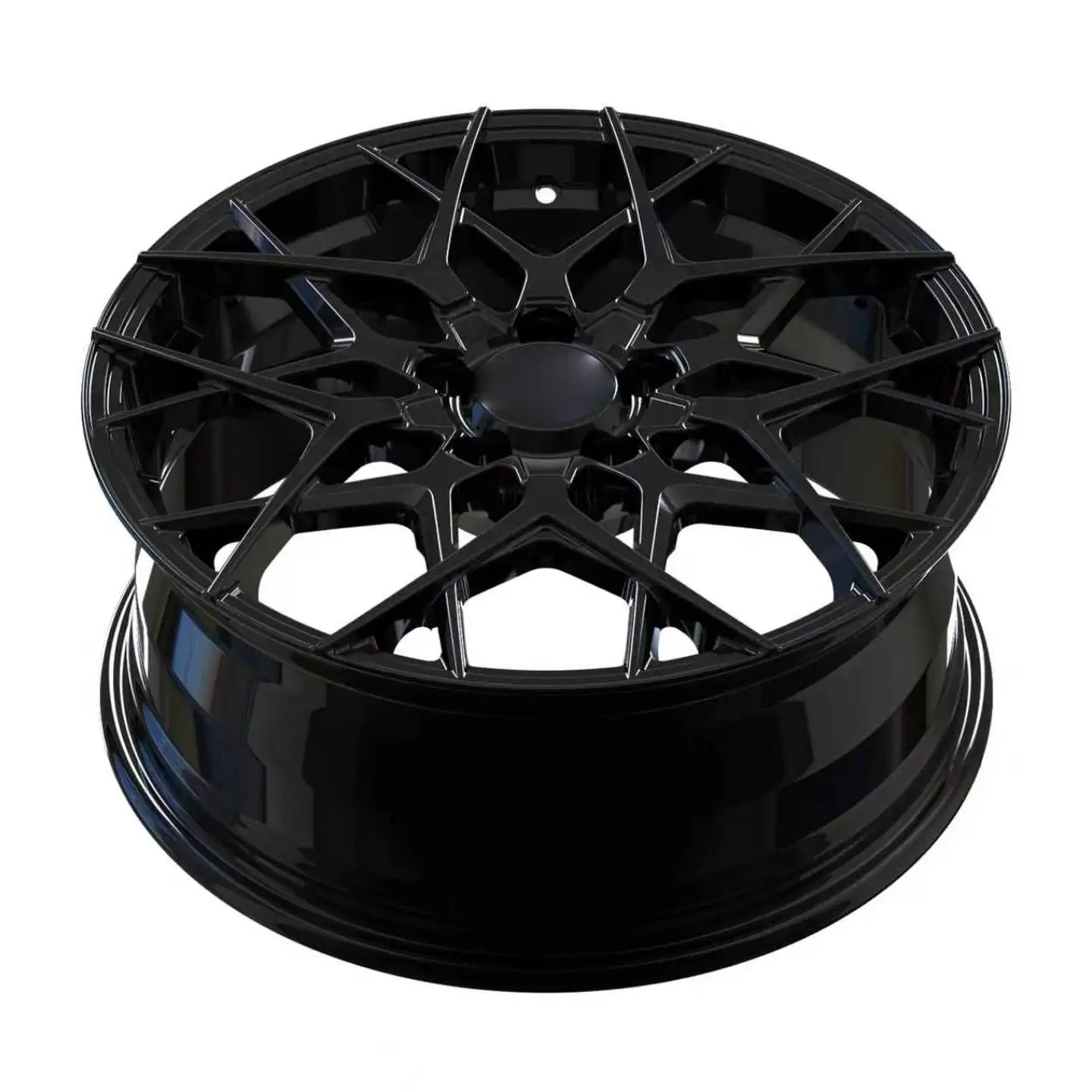
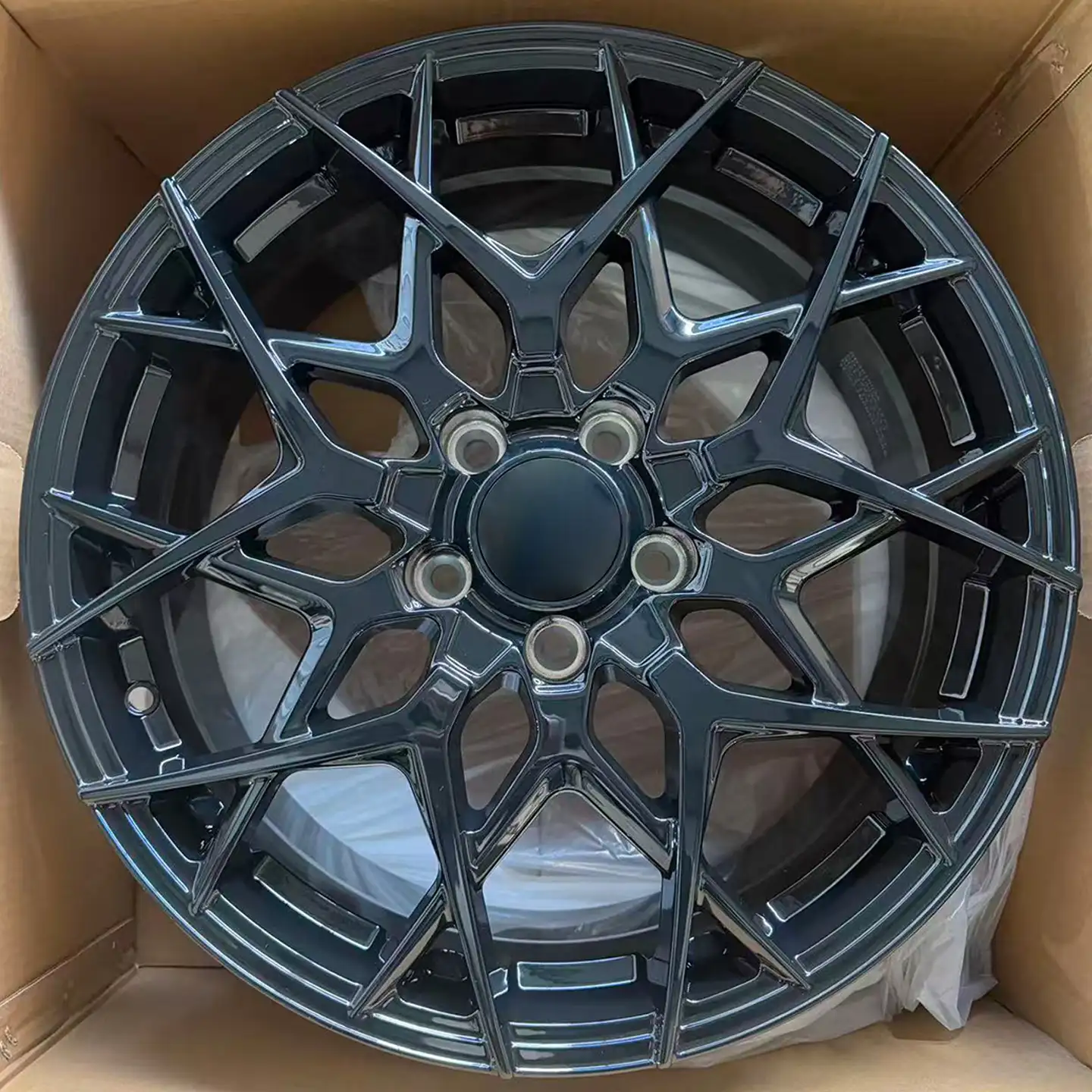
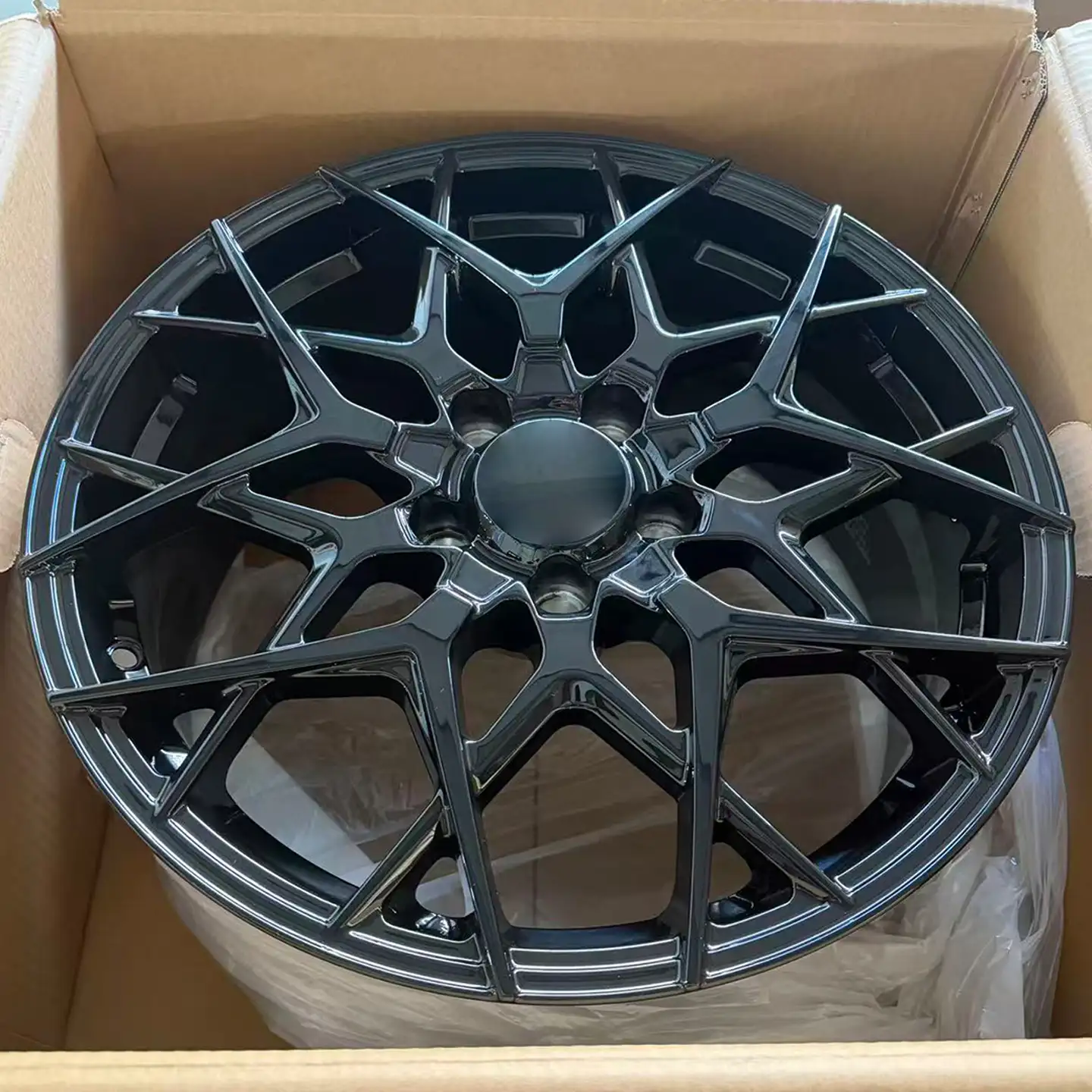
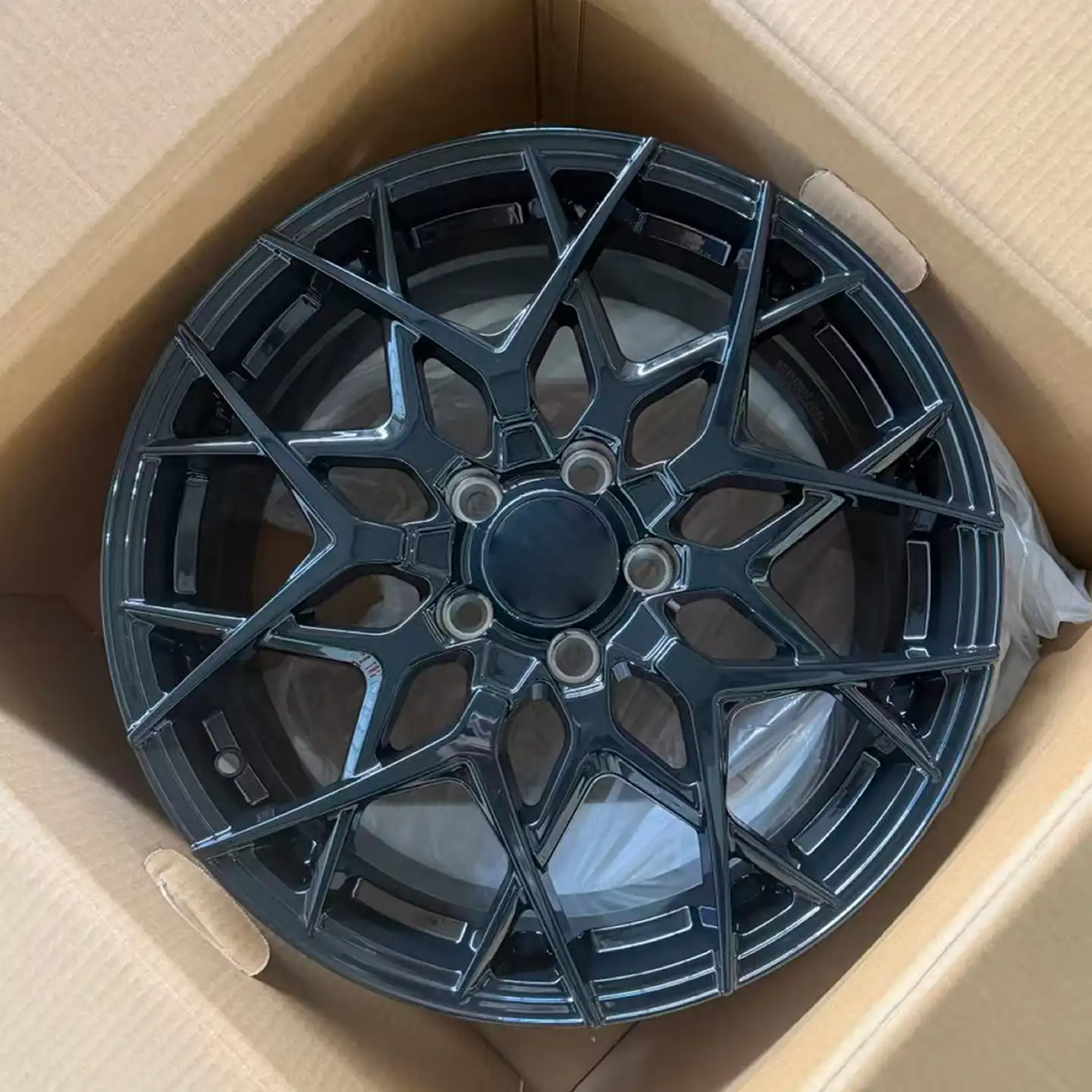
This set was specified from data supplied directly by the customer, at brand level: an Acura application, 18×7.5, ET50, on a 5×114.3 bolt circle with a 64.1 mm center bore, a 15×32 seat at 60°, weighing 9.5 kg and rated at 750 kg per wheel. No model or model year was supplied with the data, so this case states the specification and the process and makes no fitment claim. The face is a mesh: a dense network of short ribs forming angular windows, finished in gloss black over the whole wheel — face, lip and barrel.



Specifications
| Item | Specification |
| Model No. |
GD2610034-1875 |
| Size |
18×7.5 |
| PCD |
5×114.3 (5×4.5") |
| Offset (ET) |
ET50 |
| Center Bore |
64.1 mm |
| Weight |
9.5 kg per wheel |
| Load Rating |
750 kg per wheel |
| Lug Seat |
15×32, 60° taper |
| Finish |
Gloss Black (full paint) |
| Construction | Forged Monoblock |
| Fitment Basis | Check Data |
| Lead Time |
25 days |
-
Descriptions

XINGTU's engineers want to highlight three details that define this build — and this one is built on restraint rather than on pushing outwards.
First, the whole specification points inward. ET50 on a 7.5-inch barrel is a high positive offset: the mounting face sits well outboard inside the wheel, so the wheel tucks in rather than standing proud, and the outer face stays close to the fender line instead of reaching for it. That is a deliberate choice and it is the opposite of the negative-offset work these wheels usually do — the constraint here is inboard clearance, not outer clearance, so what has to be checked before release is the distance to the strut, the caliper and the inner liner, not the fender lip. The 64.1 mm bore is the other half of the same logic: it is a small bore that matches the hub family directly, which means the wheel can centre on the hub instead of hanging on the studs. That only holds if the bore is cut to tolerance — a hub-centric fit is a fit, not a clearance, and a bore that is a few tenths loose silently converts the wheel to lug-centric location, which is exactly what this specification was written to avoid.
Second, a mesh has to earn its density on a narrow barrel. The face is not a handful of broad spokes but a network of short ribs, and the reason it can be built that way is the 7.5-inch width: on a narrow barrel the spokes are short, so each one spans a short distance and the load path is split across many short members rather than carried by two or three long beams. That is what lets the rib sections stay slim without the wheel going soft, and it is why the windows can be large and angular instead of small and round — every window is bounded by ribs on all sides, so the open area is taken out of a stiff grid rather than out of a diaphragm. The numbers back it up: 9.5 kg at 18×7.5 with a 750 kg rating is a light wheel that has not been lightened by thinning the rim section, which on a 7.5-inch barrel would be the wrong place to save weight.
Third, gloss black removes the contrast, so the form has to be carried by silhouette and shadow. A full gloss black wheel has no machined edge and no two-tone break: the eye cannot separate a spoke from the window by tone, only by the way light runs along the rib and the way shadow fills the gap behind it. That changes what the design has to do. The rib edges are kept sharp rather than rounded so a hard highlight travels along each one; the windows are cut large and irregular so the negative space reads as shape rather than as holes; and the barrel is painted as well, so from three-quarters the wheel reads as one dark mass with a lit face on it. It also suits the car's own language — Acura's design vocabulary is restrained and technical rather than decorative, and a gloss black mesh is the quiet option in that vocabulary, where a chrome or diamond-cut finish would be the loud one. The practical consequence is worth stating plainly: gloss black shows brake dust and water spotting more than a lighter finish, so it rewards regular cleaning in a way a silver wheel does not.
From Design to Delivery
Quality Verified
- 18×7.5 dimensions inspected
- ET50 offset checked
- 5×114.3 PCD verified
- 64.1 mm center bore cut to tolerance and checked against the specified hub diameter
- 15×32, 60° taper seat interface checked
- Wheel weight verified at 9.5 kg
- Load rating confirmed at 750 kg per wheel
- Mesh rib network, window geometry and rib edge sharpness inspected
- Rib root radii and window corner radii checked
- Barrel and outer lip profile checked
- Lug seat, hub bore and bead area confirmed masked before paint
- Gloss black coverage checked on face, lip and barrel; no thin or dry areas
- Flow-out and edge definition checked under directional light
- Seat surfaces re-checked after masking removal
- Radial and lateral runout checked
- Dynamic balancing completed for every wheel
- Final dimensional check against drawing GD2610034-1875
Result
The finished wheel is quiet in the way the specification asked for. Up close the mesh reads as a dense grid of thin ribs with sharp lit edges, and the gloss black keeps every one of those edges as a line of light rather than a band of tone.
At three metres the wheel resolves into a dark disc with a lit face and a single continuous highlight around the lip, which is what a full-paint finish is supposed to do—it puts the shape in front of the finish.
The 9.5 kg at 18×7.5 and the 750 kg rating sit behind that look without being visible in it, which is the point of a restrained build: nothing on the wheel is there to be noticed except the proportion.

Specifying a wheel for an Acura and want the numbers checked before the tooling is cut?
XINGTU builds forged monoblock, two-piece and three-piece wheels to supplied hub data, and can deliver gloss black, satin, gloss, two-tone, brushed and polished finishes.
-
Build & Fitment
Inboard-focused fitment
18×7.5 with ET50 and a 64.1 mm center bore. The high positive offset tucks the wheel inward; critical checks are strut, caliper and liner clearance. The precision-machined bore provides true hub-centric positioning to avoid unintended lug-centric mounting.
Mesh design engineered for the narrow barrel:
Short, interconnected ribs distribute load efficiently. This allows large angular cutouts while maintaining strength. At 9.5 kg with a 750 kg load rating, weight savings are achieved through structure, not unsafe rim thinning.
Gloss black relies on silhouette and shadow:
Sharp rib edges and irregular open windows define the form without two-tone contrast. The finish matches Acura’s restrained, technical styling, though it is more prone to showing brake dust and water spots and requires regular care.
-
FAQs
1. Why such a high ET50?
The priority is inner clearance, not pushing the wheel outward toward the fender.
2. What makes the mesh safe on a 7.5‑inch wheel?
Short load paths across many ribs keep the structure stiff without thinning the rim.
3. Why a tight 64.1 mm bore?
To maintain proper hub-centric location; loose tolerance defeats the purpose.
4. Is gloss black just for appearance?
It aligns with the vehicle’s design language, but the geometry must carry the form.
5. Any maintenance downside?
Yes — gloss black easily shows brake dust and water marks.
6. How long did this recorded build take?
The documented production schedule was 25 days from data review to final inspection and packing. Shipping time and any later design or fitment revisions are separate.
7. Is a branded center cap included?
The center is supplied as a plain disc for the customer's cap solution. No third-party emblem is installed at the factory.
Related Products