OEM Forged Wheel Manufacturer: From Wheel Design and 3D Fitment to Mass Production
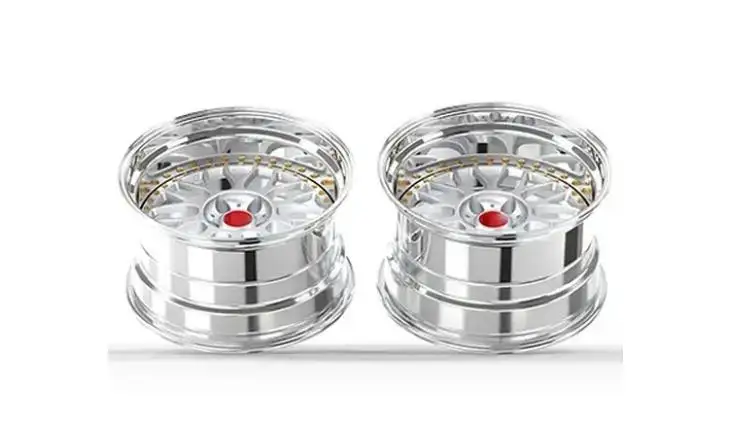
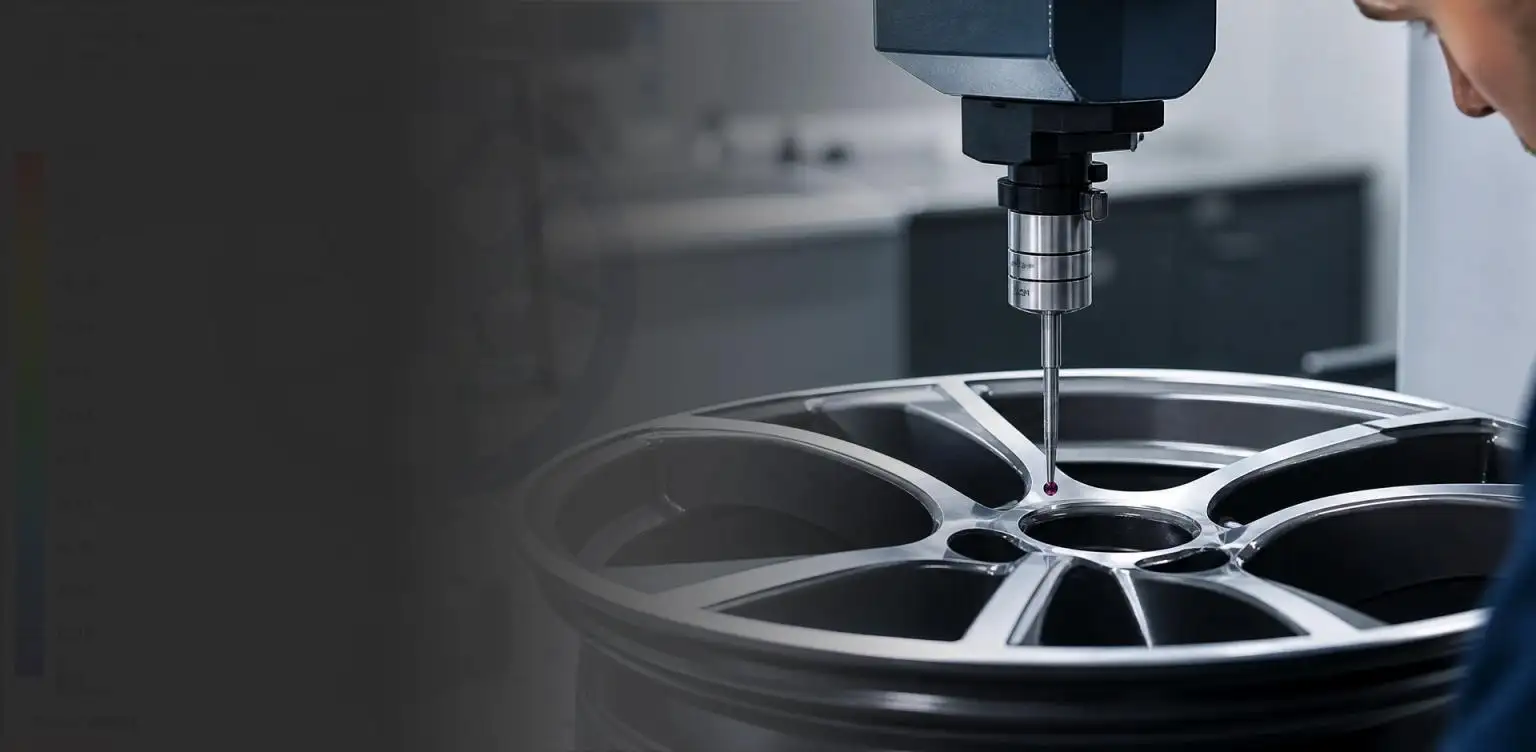
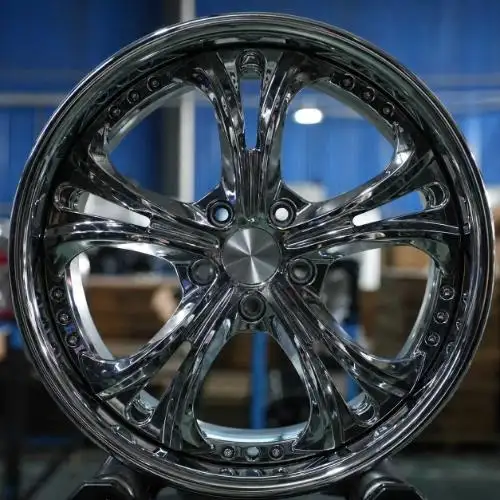
A forged wheel project should not move directly from a styling render to CNC machining. At XINGTU, we treat every OEM project as an engineering workflow: define the vehicle envelope, lock the wheel specification, validate fitment, review structural requirements, approve the first article and then control repeat production.
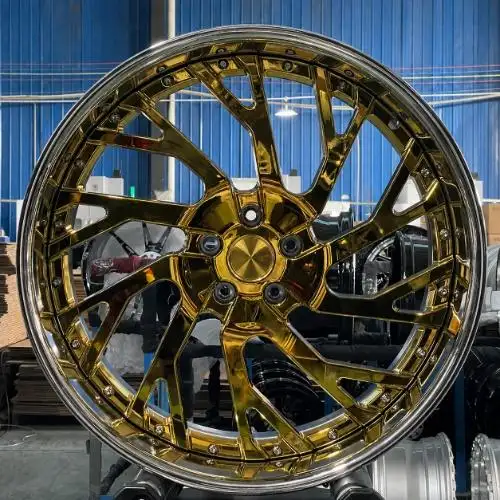
The role of an OEM Forged Wheel Manufacturer is to convert a brand's design intent into a wheel that is manufacturable, measurable and suitable for its intended vehicle.
Start With a Complete Engineering Brief
A vehicle name and reference image are not enough to release a wheel for production. Before design work begins, we collect the parameters that control installation and performance:
• Vehicle make, model, year and market version
• Front and rear wheel diameter and width
• PCD, center bore and lug-seat geometry
• Target offset for each axle
• OEM or upgraded brake configuration
• Tire size and intended ride height
• Suspension, spacer or wide-body modifications
• Required load rating and operating environment
• Preferred construction, finish and branding details
For vehicles with aftermarket calipers or non-standard hubs, we may require a brake template, physical measurements or scan data. This prevents a visually correct design from becoming an unusable finished wheel.
The approved inputs are transferred into a controlled drawing. PCD, ET, center bore, mounting-pad thickness and load rating should never remain as informal email instructions.
Selecting the Correct Forged Wheel Architecture
An experienced OEM Forged Wheel Manufacturer should select the construction around geometry and duty—not appearance alone.
| Construction | Appropriate Use | Engineering Considerations |
| Monoblock | Lightweight performance and road applications | Low part count and high rigidity, but deep-lip geometry is more restricted |
| Two-piece | Staggered, deep-dish and flexible fitments | Separate center and barrel increase dimensional freedom; sealing and joint control are required |
| Three-piece | Specialized fitments and serviceable rim sections | Maximum configuration flexibility, but more joints, components and maintenance points |
A request for thinner spokes, deeper concavity or aggressive material removal must be checked against load paths. We also review lug access, center-cap retention, valve position, machining access and the transition between the hub, spokes and rim.
How 3D Fitment Validation Reduces Installation Risk
Matching the diameter and PCD does not prove that a wheel fits. Our OEM Forged Wheel Manufacturer workflow evaluates the complete three-dimensional installation envelope.
Brake and Hub Interface
The digital model should check:
• Radial clearance between the caliper and barrel
• Axial clearance between the caliper and spoke back
• Center-bore engagement and hub-centric location
• Lug-seat type, depth and installation-tool access
• Mounting-pad geometry and hub contact surface
Brake clearance should be reviewed against the actual caliper profile, especially when the vehicle uses carbon-ceramic brakes or an aftermarket big-brake kit.
Fender and Suspension Position
Changing width and offset moves both wheel edges. The approximate position changes are:
Outer Extension= ΔWidth/2 −ΔET
Inner Clearance Reduction= ΔWidth/2 +ΔET
All values must use the same unit. These equations provide an initial comparison, but final validation must also consider tire section width, suspension travel, steering angle and body modifications.
Fitment Approval Is Not Structural Approval
A wheel may clear the brakes but still be unsuitable for the target load. Before releasing a design, an OEM Forged Wheel Manufacturer should review:
• Aluminum grade and material traceability
• Vehicle mass and axle-load distribution
• Required load capacity per wheel
• Spoke-root, hub and rim stress concentration
• Radial, cornering and impact load cases
• Material thickness after CNC machining
• Intended road, track or off-road use
Finite element analysis can identify areas requiring reinforcement or further optimization. However, FEA is a design tool, not a substitute for appropriate physical testing. Buyers should define the applicable fatigue and impact requirements before production.
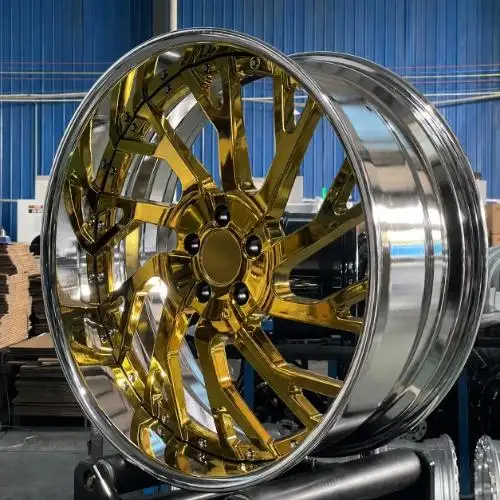
From Design Freeze to Mass Production
At XINGTU, production should begin only after the engineering drawing, 3D model, fitment data and finish specification are approved.
A typical sequence includes:
• Verify the forged blank and material documentation.
• Complete CNC rough machining and stress-controlled material removal.
• Machine spokes, pockets, mounting pad and barrel profiles.
• Produce PCD, center bore, lug seats and valve opening.
• Deburr and prepare the surface.
• Apply brushing, polishing, painting or multi-stage finishing.
• Assemble and seal multi-piece wheels where applicable.
• Inspect, balance, package and release the batch.
The first machined unit acts as a quality gate. Critical dimensions should be measured before the remaining batch progresses through expensive finishing operations.
Production QC Must Follow the Approved Drawing
Consistent OEM production depends on measurable acceptance criteria.
| Control Point | What We Verify |
| Material records | Alloy, blank and batch traceability |
| CMM inspection | PCD, center bore, offset and critical geometry |
| Mounting interface | Pad flatness, lug seats and hub engagement |
| Runout measurement | Radial and lateral rotational accuracy |
| Dynamic balancing | Residual imbalance and vibration risk |
| Nondestructive inspection | Relevant blank or machining defects |
| Finish control | Color, gloss, texture and surface consistency |
| Multi-piece assembly | Fastener torque, seal position and airtightness |
| Final audit | Size, load marking, accessories and packaging |
A signed sample, dimensional report and finish standard give the buyer an objective baseline for repeat orders.
What XINGTU's Projects Show
Our case records demonstrate why one specification cannot serve every vehicle. A Ferrari 458 two-piece project used 20×9.0 front and 20×11.0 rear fitments, a 6061-T6 forged center and a 900 kg per-wheel load rating. Its deep-lip construction also required joint-torque control, sealing and airtightness inspection.
By comparison, a documented BMW X5 M monoblock project used a 19×8.5 configuration with a 750 kg load rating, while a 24×14 Cadillac Escalade application required a 1,100 kg rating. These are different engineering problems, even though all three use forged-wheel technology.
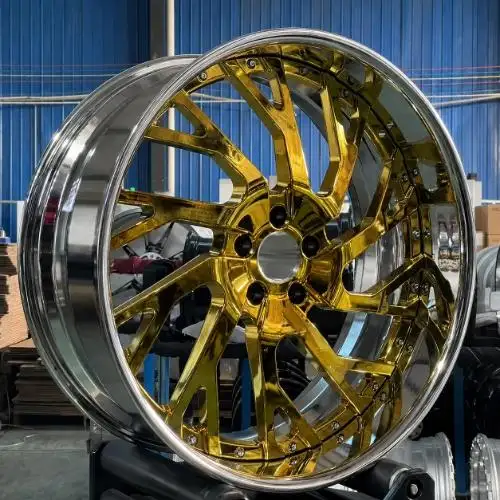
Evaluating an OEM Forged Wheel Manufacturer
Before approving a supplier, ask for evidence of:
• Vehicle-specific fitment review
• Controlled drawings and revision history
• Material and dimensional records
• First-article approval
• Defined runout and balance limits
• Project-specific test requirements
• Finish standards and change control
• Traceability from sample to shipment
At XINGTU, we believe the most useful proof is a completed project with visible specifications, engineering decisions and finished results. Explore the XINGTU case studies to see how our OEM Forged Wheel Manufacturer workflow is applied across performance cars, SUVs and specialized custom builds.
FAQs
Q1. Does XINGTU support samples and small-batch OEM orders?
Yes. XINGTU supports prototype development, sample orders and small-batch production. The applicable MOQ depends on the wheel construction, dimensions, finish, tooling requirements and level of brand customization.
Q2. Does XINGTU provide 3D fitment validation?
Yes. XINGTU uses vehicle and wheel data to review brake caliper clearance, hub engagement, spoke-back clearance, suspension space and fender position. The accuracy of the validation depends on the completeness of the vehicle and brake data supplied.
Q3. Can XINGTU produce both monoblock and multi-piece forged wheels?
Yes. XINGTU supports monoblock and multi-piece forged wheel projects. Construction is selected according to wheel width, offset, load requirement, target weight, concavity, lip depth and application rather than styling alone.
Q4. What aluminum does XINGTU use for forged wheels?
Material selection depends on the wheel structure and engineering requirements. Documented XINGTU projects include forged 6061-T6 aluminum components, selected for their strength-to-weight balance, machinability and suitability for controlled heat treatment.
Q5. How does XINGTU determine the required wheel load rating?
XINGTU reviews vehicle type, axle-load distribution, wheel dimensions and intended use. Performance driving, SUVs and off-road applications may require additional load margin. The approved load rating should appear on the final project specification.


