Aluminum Monoblock Wheels: Materials, Manufacturing and Performance Explained
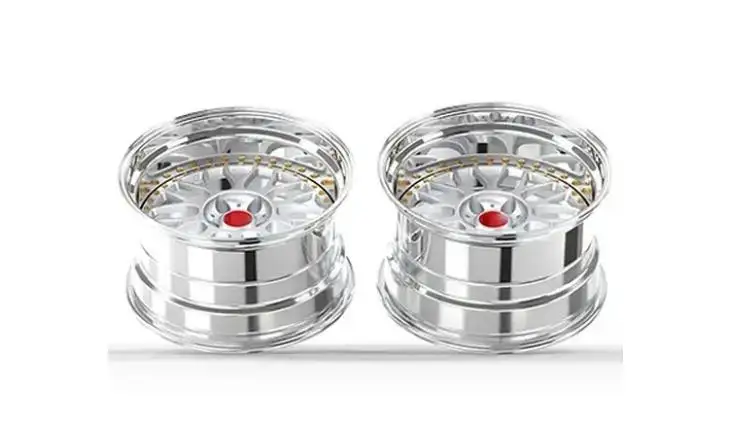
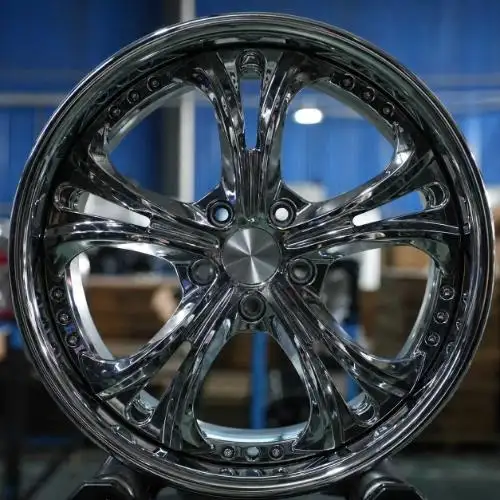
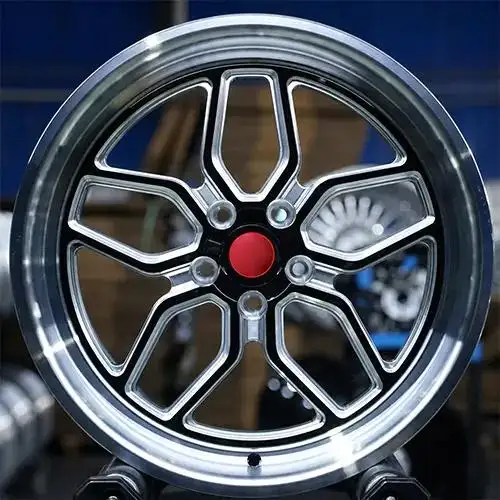
Aluminum Monoblock Wheels are one-piece wheels machined from forged aluminum blanks. Their main advantage is not simply that they are "forged," but that material properties, load paths, wall thickness and vehicle fitment can be engineered as one integrated structure.
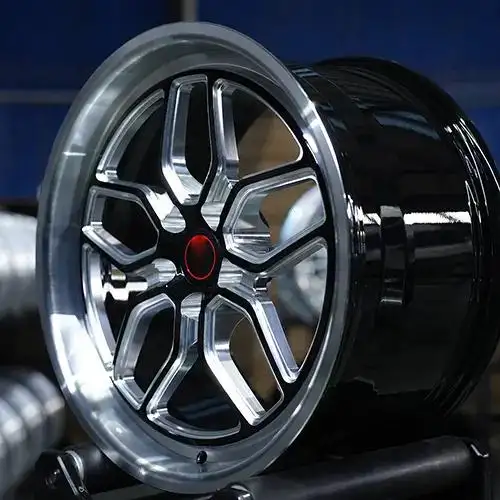
At XINGTU, we treat Aluminum Monoblock Wheels as safety-critical chassis components. Styling matters, but it comes after load capacity, brake clearance, fatigue performance and dimensional accuracy.
What Does Monoblock Actually Mean?
"Monoblock" describes construction, while "forged" describes material processing. A cast wheel can also be monoblock.
In a forged monoblock design, the following areas are machined from one blank:
• Inboard and outboard rim sections
• Spokes
• Hub pad
• Center bore
• Bolt holes
• Brake-clearance pockets
There are no assembly bolts or sealed joints between the wheel center and barrel. This reduces component count and simplifies maintenance, but it does not automatically guarantee low weight or high strength. Those outcomes still depend on engineering and process control.
Material Selection for Aluminum Monoblock Wheels
6061-T6 is commonly specified for forged road wheels because it combines useful strength, toughness, corrosion resistance and CNC machinability. "T6" refers to the heat-treatment condition—not the alloy itself.
| Material | Manufacturing Route | Engineering Consideration |
| 6061-T6 | Forged, solution-treated and artificially aged | Balanced choice for road, performance and custom applications |
| 7075-T6 | High-strength forging | Higher strength potential, but greater cost and stricter corrosion and process control |
| A356-T6 | Cast and heat-treated | Common cast-wheel alloy; not equivalent to wrought 6061 |
| Unverified "aerospace aluminum" | Unclear | Marketing terminology should never replace a material certificate |
For Aluminum Monoblock Wheels, buyers should confirm:
• Alloy designation and material condition
• Billet batch traceability
• Heat-treatment records
• Mechanical property requirements
• Material certificates linked to the production batch
High-strength material cannot compensate for an inadequate spoke section, insufficient rim thickness or an incorrect load assumption.
How Aluminum Monoblock Wheels Are Manufactured
A professional production process begins with vehicle and load data—not CNC machining.
| Stage | Key Control | Risk if Poorly Controlled |
| Engineering definition | Size, PCD, offset, center bore, load and brake envelope | Interference, incorrect stance or insufficient capacity |
| Billet inspection | Chemistry, batch and surface condition | Material inconsistency or hidden defects |
| Heating and forging | Temperature, pressure and deformation | Uneven properties or incomplete forming |
| Heat treatment | Solution treatment, quenching and aging | Low strength, distortion or inconsistent hardness |
| CNC machining | Datum control, wall thickness and tool path | Runout, imbalance or localized stress |
| Surface finishing | Pretreatment, coating and curing | Peeling, corrosion or color variation |
| Final inspection | Dimensions, balance, finish and order data | Fitment problems or high-speed vibration |
Forging produces a dense wrought structure with substantially less porosity than conventional casting. After heat treatment, the blank is machined to its final geometry. Five-axis CNC equipment is particularly useful for undercuts, brake pockets and complex spoke transitions.
XINGTU works with established manufacturing partners equipped with 12,000-ton forging presses and five-axis CNC machining centers. Our role covers engineering review, production coordination and quality follow-up from the approved drawing to shipment.
Where Performance Really Comes From
The performance of Aluminum Monoblock Wheels must be evaluated through measurable engineering factors.
Strength-to-Weight Balance
Forging allows engineers to remove material more selectively than with many cast designs. However, the lightest drawing is not necessarily the best drawing. Spoke roots, hub transitions and rim flanges must retain enough material for fatigue and impact loads.
Unsprung and Rotational Mass
Reducing wheel mass can improve suspension response and steering behavior. The position of that mass also matters. Rotational inertia increases approximately with:
I ∝ mr2
Material removed near the outer barrel can therefore influence rotational inertia more than the same mass removed close to the hub.
Stiffness and Deflection
A wheel can remain below its yield strength yet deflect too much under cornering load. Excessive deflection may affect steering precision, tire loading or brake clearance. Structural assessment should examine both stress and displacement.
Dimensional Accuracy
Hub bore position, bolt-circle accuracy, mounting-face flatness and radial or lateral runout directly affect installation and high-speed behavior. Forged material alone cannot correct inaccurate machining.
Aluminum Monoblock Wheels vs. Other Constructions
| Decision Factor | Forged Monoblock | Cast Monoblock | Two-Piece Forged |
| Structure | One forged component | One cast component | Separate center and barrel |
| Weight potential | High | Moderate | Design-dependent |
| Custom fitment | Machined for the application | Usually based on fixed specifications | Highly flexible width and offset |
| Deep-lip capability | Limited by blank and load geometry | Limited | Generally better |
| Maintenance | No assembly hardware | Simple | Hardware and seals require inspection |
| Cost | Above most cast wheels | Usually lower | Often similar to or above monoblock |
| Typical use | Performance and precise custom fitment | Standard road applications | Styling-led or highly modified builds |
Two-piece wheels remain preferable when adjustable barrel width or a pronounced outer lip is required. Cast wheels remain suitable for cost-controlled, standard-fitment applications. This is an engineering choice, not a simple quality ranking.
Are Aluminum Monoblock Wheels Always Lighter?
No. Diameter, width, load rating, offset, spoke design and styling all affect final mass. A 24-inch forged wheel can weigh more than a smaller cast wheel.
Meaningful comparisons require:
• Equivalent diameter and width
• Similar load ratings
• Comparable tire and vehicle applications
• Similar brake-clearance requirements
Aggressive weight reduction without structural validation can reduce stiffness or fatigue life.
Fitment Data Required Before Production
At XINGTU, we do not approve Aluminum Monoblock Wheels from vehicle make and model alone. We also review:
• Model year and exact vehicle variant
• Front and rear wheel sizes
• PCD and center bore
• Offset and desired outer position
• Brake-caliper envelope
• Suspension and fender clearance
• Tire size and intended use
• Axle load or required wheel rating
• Suspension, brake or body modifications
• TPMS and installation requirements
As an initial static check, the specified per-wheel capacity should not be lower than half of the relevant gross axle weight rating. That calculation does not replace dynamic fatigue and impact testing.
Testing and Quality Verification
A complete verification plan for Aluminum Monoblock Wheels may include:
• Radial fatigue testing to simulate repeated rolling loads
• Cornering fatigue testing for cyclic bending loads
• Impact testing for road-hazard resistance
• Flaw detection on the blank or finished wheel
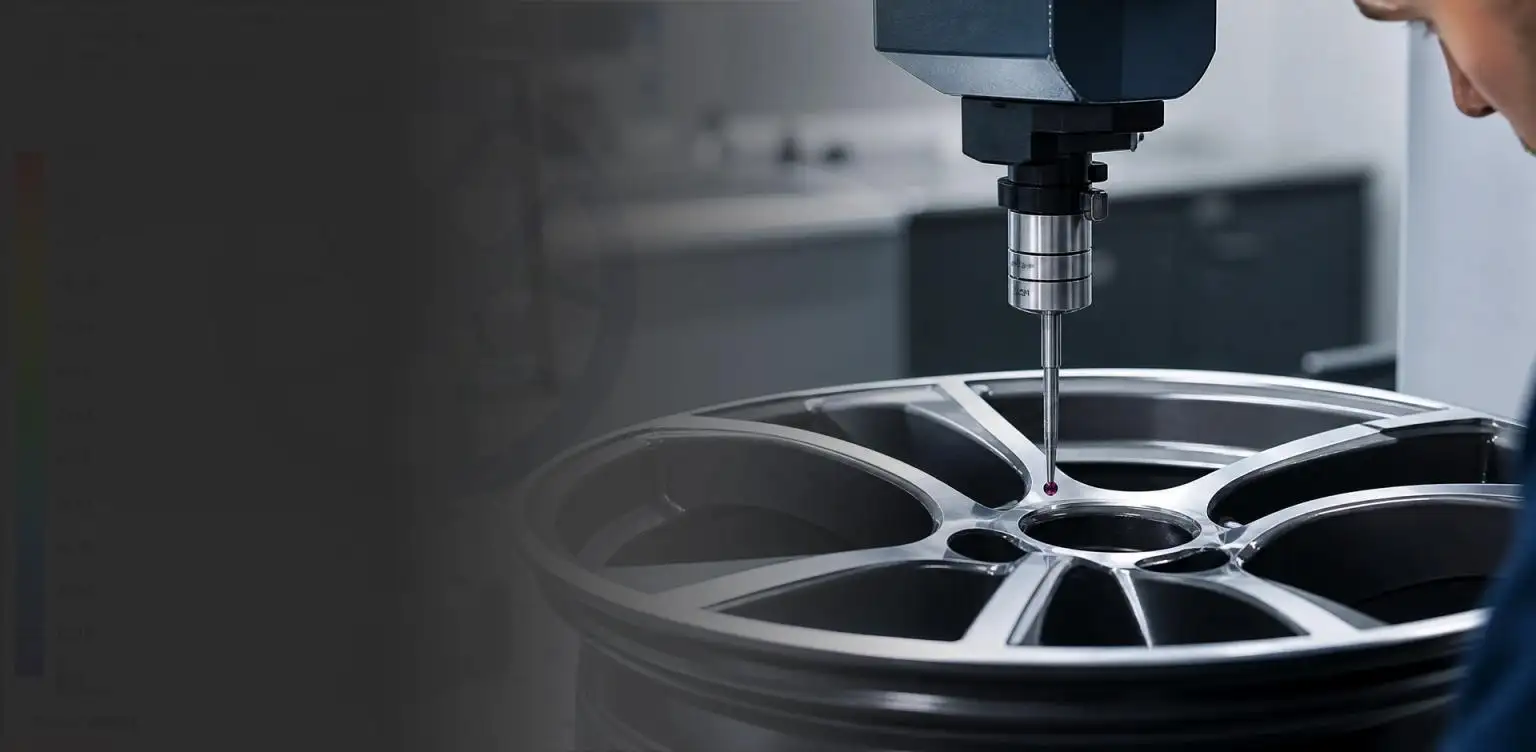
• CMM inspection of critical dimensions
• Radial and lateral runout measurement
• Dynamic balancing
• Coating adhesion and salt-spray testing
SAE, JWL, VIA or other requirements should be selected according to the target market. Test evidence must correspond to the relevant design, size and rated load—not merely another wheel from the same supplier.
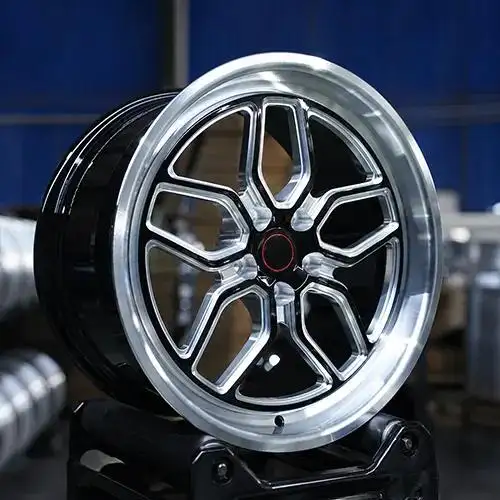
XINGTU integrates 3D fitment validation, structural assessment, design review, CMM inspection, dynamic balancing and pre-shipment checks into its project workflow. Real finished projects also document vehicle fitment, dimensions, weight and load rating where applicable. View XINGTU wheel projects.
Choosing the Right Aluminum Monoblock Wheels Partner
Before placing an order, ask whether the supplier can provide:
• Traceable material information
• Vehicle-specific fitment drawings
• Clear load assumptions
• Controlled design revisions
• Dimensional inspection records
• Applicable test documentation
• A defined finishing and QC standard
The best Aluminum Monoblock Wheels are not simply attractive or lightweight. They are correctly specified, structurally justified, accurately machined and verified for their intended vehicle.
If you are developing Aluminum Monoblock Wheels for a performance car, luxury vehicle, EV, SUV or custom wheel program, XINGTU can review your vehicle data, design objectives and manufacturing feasibility before production. Explore XINGTU's Aluminum Monoblock Wheels and related solutions.
FAQs
Q1. What materials does XINGTU use for Aluminum Monoblock Wheels?
XINGTU works with high-strength aluminum alloys selected for forged-wheel applications. The exact alloy, heat-treatment condition and material requirements should be confirmed according to the wheel design, rated load and intended vehicle.
Q2. Can XINGTU customize Aluminum Monoblock Wheels for a specific vehicle?
Yes. XINGTU can customize wheel diameter, width, offset, PCD, center bore, brake clearance, spoke design and finish according to the vehicle and project requirements.
Q3. What information does XINGTU need before starting a wheel project?
Customers should provide the vehicle make, model and year, front and rear wheel sizes, PCD, offset, center bore, tire size, brake specifications, desired design and any suspension or body modifications.
Q4. How does XINGTU verify brake and suspension clearance?
XINGTU uses vehicle data, brake dimensions and 3D fitment validation to examine caliper, suspension and fender clearance before the wheel design is approved for machining.
Q5. Does XINGTU provide structural design support?
Yes. XINGTU's engineering workflow includes structural assessment, spoke and hub-area review, load-requirement confirmation and design revisions before production. Final requirements depend on the vehicle and application.


