
How to Check Wheel Brake Clearance: An Engineering Guide for Custom Wheels
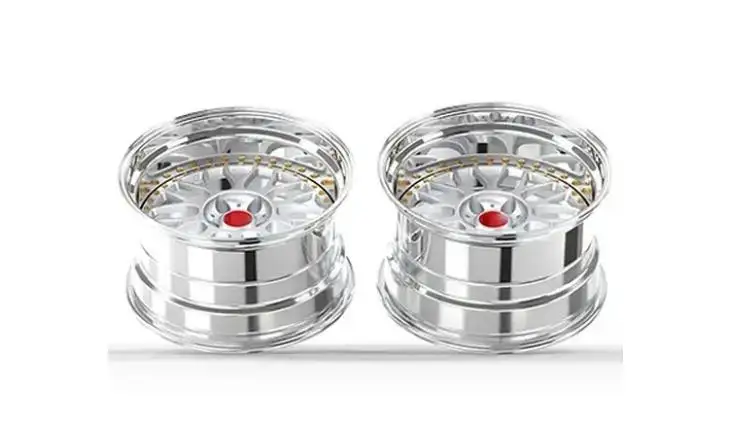
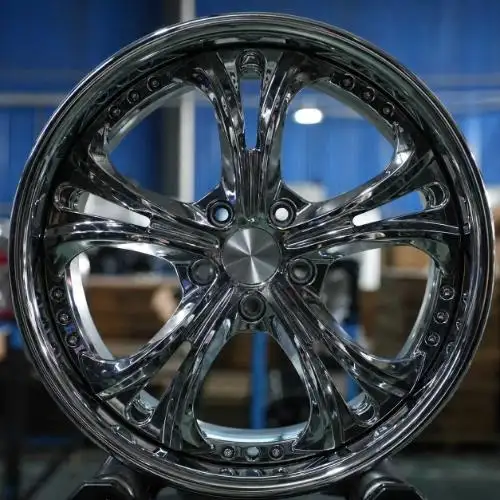
Wheel diameter, width, PCD and offset do not provide enough information to confirm brake fitment. A wheel may bolt onto the hub correctly while its inner barrel or spoke back contacts the caliper.
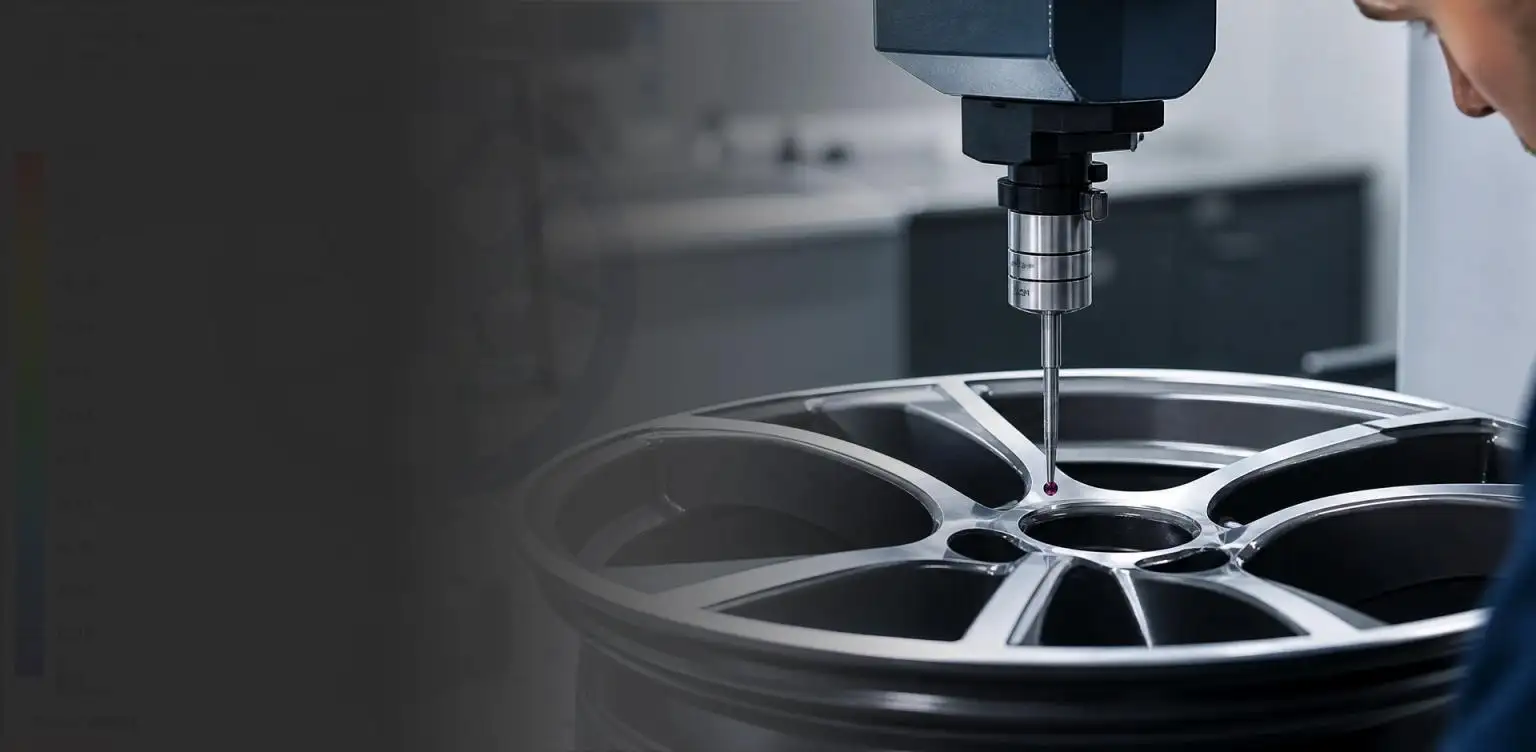
At XINGTU, How to Check Wheel Brake Clearance begins with defining the complete brake envelope, not simply comparing a caliper measurement with the nominal wheel diameter. This is particularly important for forged wheels, large fixed calipers and aftermarket big brake kits.
What Does Wheel Brake Clearance Include?
Brake clearance is the three-dimensional space between the rotating wheel and stationary brake components. Several zones must be verified independently.
| Clearance Zone | Parts Being Compared | Typical Risk |
| Radial | Caliper top vs. inner barrel | Barrel or drop-center contact |
| Axial | Caliper outer face vs. spoke back | Spoke-to-caliper interference |
| Local | Caliper corners vs. spoke junctions | A single spoke section contacts |
| Mounting | Hub, wheel pad and brake bracket | Wheel does not seat flush |
| Service | Caliper vs. balance weights or valve | Clearance lost after balancing |
The brake envelope should include the caliper body, bridge, bolts, bleed screws, brake hose fittings and mounting bracket where applicable.
Why Wheel Size and Offset Cannot Confirm Brake Clearance
The stated wheel diameter is based on the tire bead-seat diameter, not the entire usable internal barrel. Two wheels labeled 18 × 8.5 may use different barrel contours, drop-center positions and inner diameters.
Offset is also frequently misunderstood. ET defines the mounting face relative to the wheel centerline, but it does not describe:
•Spoke-back curvature
•Mounting-pad thickness
•Spoke-to-hub transition
•Deep-concave geometry
•Local relief pockets behind the spokes
A lower offset may improve axial caliper clearance, but it also moves the wheel outward and can create tire-to-fender interference. It does not solve insufficient radial barrel clearance.
Data Required for a Reliable Fitment Review
Before explaining How to Check Wheel Brake Clearance, we first establish the exact vehicle and brake configuration.
Provide:
•Vehicle make, model, production year and drivetrain
•Front or rear axle application
•OEM brakes or aftermarket brake-kit details
•Caliper manufacturer and exact part number
•Rotor diameter and thickness
•Wheel diameter, width and target ET
•PCD, center bore and hub configuration
•Caliper template, section drawing or 3D model
•Suspension changes and available fender clearance
"Same vehicle model" is not always sufficient. Performance packages, production-year changes and optional brake systems can use different calipers.

How to Check Wheel Brake Clearance With a Template
A brake manufacturer's fitment template is the most accessible pre-installation method.
1. Confirm the Template Configuration
Check that the template corresponds to the exact caliper, rotor diameter, mounting bracket and axle. Do not substitute a visually similar brake model.
2. Verify the Print Scale
Print at 100% with "Fit to Page" disabled. Measure the calibration line before cutting. A template printed only a few percent too small can produce a false clearance result.
3. Create a Rigid Gauge
Bond the sheet to cardboard or thin plastic and cut accurately along the caliper envelope. Preserve the hub centerline and wheel mounting-face reference.
4. Find the Wheel Mounting Face
The mounting face is the rear of the wheel. The gauge should not be placed on the outer face or the center cap area. The template and wheel centerlines should remain aligned.
5. Sweep the Full Spoke Pattern
Move the gauge through the spoke openings and inspect the entire caliper profile. Check:
•Caliper bridge to inner barrel
•Outboard caliper face to spoke back
•Caliper corners near spoke roots
•Bleed screws and fittings
•Drop-center transitions
•Adhesive balance-weight locations
Measure and record the smallest gap. Checking one convenient spoke position is not enough.
Template, CAD or Physical Trial Fit?
| Method | Best Use | Main Limitation |
| Printed template | Early wheel selection | Printing and positioning errors |
| 2D section analysis | Barrel and mounting-pad review | May miss local spoke geometry |
| 3D CAD interference analysis | Custom forged-wheel development | Requires accurate source models |
| Physical trial fit | Final installation confirmation | Occurs after the wheel exists |
For custom projects, XINGTU prefers combining drawing or CAD verification with final physical inspection. Each method controls a different type of fitment risk.
How Much Brake Clearance Is Required?
There is no universal clearance value suitable for every wheel, brake system and vehicle. A safe decision must consider the full tolerance stack rather than only the measured static gap.
A practical engineering relationship is:
Usable Clearance = Measured Gap − Wheel Tolerance − Brake Tolerance − Dynamic Allowance − Installation Allowance
The required allowance may be influenced by:
•Wheel deflection under cornering load
•Hub and bearing movement
•Brake-system temperature
•Caliper manufacturing variation
•Surface coating thickness
•Wheel balance weights
•Debris or trapped stones
Therefore, a measured 2 mm gap should not automatically be declared acceptable. Borderline clearance must be reviewed against the requirements of the wheel, brake and vehicle manufacturers.
What Should Be Changed If Clearance Is Insufficient?
| Fitment Problem | Possible Engineering Change | Secondary Check |
| Caliper contacts spoke back | Revise spoke profile or mounting pad | Strength and fender position |
| Caliper contacts barrel | Increase wheel diameter or revise barrel | Tire size and ride clearance |
| Contact occurs near spoke root | Add localized relief through redesign | Fatigue strength |
| Axial gap is insufficient | Recalculate ET or wheel face geometry | Suspension and fender clearance |
| Balance weight contacts caliper | Relocate or use approved lower-profile weights | Wheel balance quality |
A spacer may increase axial spoke clearance, but it cannot increase radial barrel clearance. Spacer thickness also changes effective offset, hub engagement, fastener requirements and tire position. It should only be used after a complete technical and regulatory assessment.
Grinding the caliper, thinning the spoke or machining the wheel mounting pad is not an acceptable field remedy without formal engineering approval.
Final Installation Check
Even after completing the How to Check Wheel Brake Clearance process digitally or with a template:
•Clean the hub and mounting surfaces.
•Confirm that the wheel seats completely flush.
•Install the correct fasteners.
•Rotate the wheel by hand before lowering the vehicle.
•Recheck the balance-weight area.
•Inspect again after correct final torque.
Do not road-test a vehicle if rubbing, resistance or witness marks are present.
XINGTU Brake-Clearance Verification
At XINGTU, we review brake clearance together with wheel width, ET, PCD, center bore, spoke geometry and inner-barrel construction. For non-standard brake systems, customers can provide a verified template, dimensional drawing, photographs or 3D data before the wheel design is finalized. Our fitment support process is intended to identify conflicts during engineering rather than after machining.
If you are unsure How to Check Wheel Brake Clearance for a custom forged-wheel project, send XINGTU your vehicle year, brake-kit model and target wheel specifications. Visit XINGTU to begin a fitment review before production.
FAQs
Q1. What Happens If Complete Caliper Dimensions Are Unavailable?
XINGTU may request additional measurements, photographs, a physical template or data from the brake manufacturer. Production dimensions should not be finalized using estimated caliper measurements or an unverified online fitment example.
Q2. Can XINGTU Check Fitment for an Aftermarket Big Brake Kit?
Yes. XINGTU can review wheel fitment for vehicles equipped with aftermarket brake systems. The exact caliper, rotor and bracket configuration must be identified because different versions of the same brake kit may have different clearance envelopes.
Q3. Does XINGTU Determine Brake Clearance From Wheel Diameter and Offset Alone?
No. Wheel diameter and offset do not describe the inner-barrel contour, spoke-back profile or mounting-pad geometry. XINGTU evaluates these dimensions together with the caliper envelope when reviewing a custom forged-wheel design.
Q4. Can I Send XINGTU a Brake-Caliper Template?
Yes. A correctly scaled template can be used to assess radial barrel clearance and axial spoke clearance. Customers should verify the calibration line and confirm that the template matches the exact caliper, rotor diameter and mounting bracket.
Q5. Can XINGTU Use CAD Data to Check Wheel Brake Clearance?
Where accurate engineering data is available, CAD-based interference analysis can be used during wheel development. A 3D caliper envelope is particularly helpful for identifying contact near spoke roots, caliper corners and complex inner-barrel transitions.


