Private Label Wheel Manufacturer Custom Finishes: Building a Distinctive Product Line
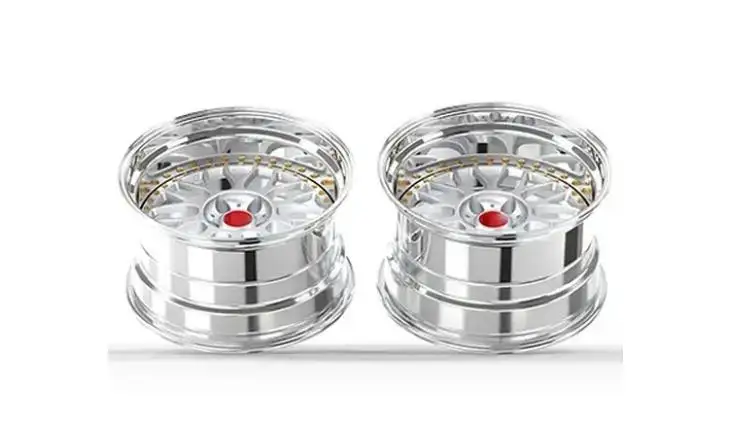
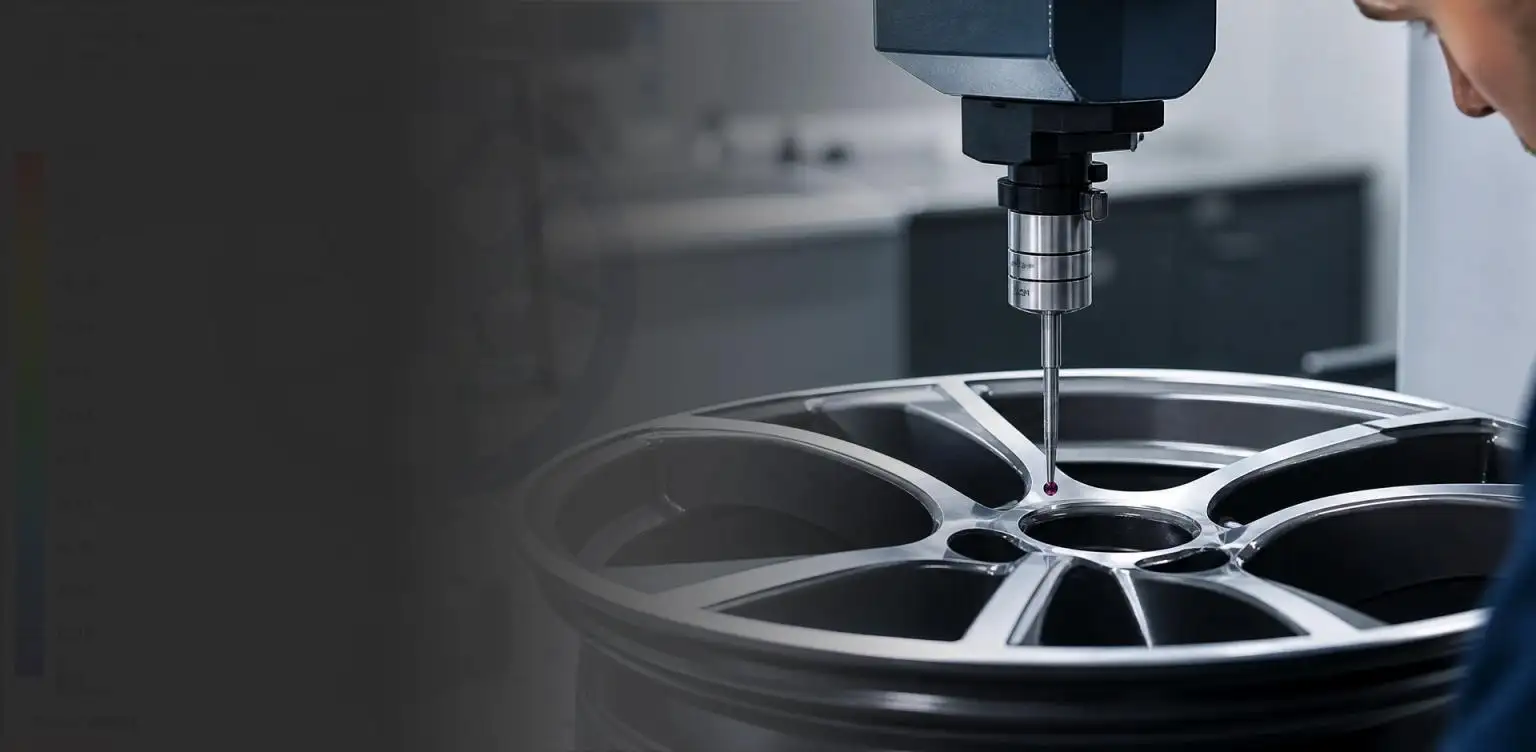
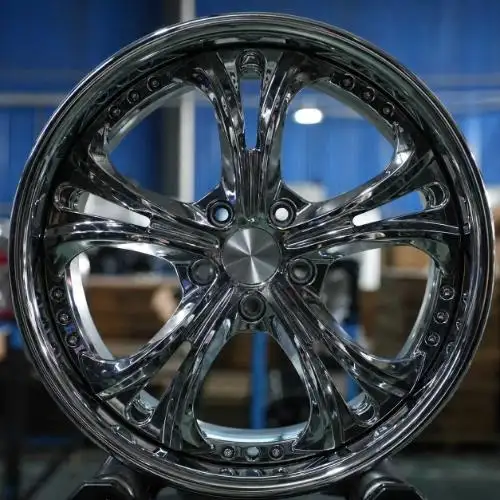
For a private-label wheel brand, surface finish is not merely a color choice. It affects corrosion resistance, cleaning requirements, production cost, lead time, repeat-order consistency, and how customers position the product.
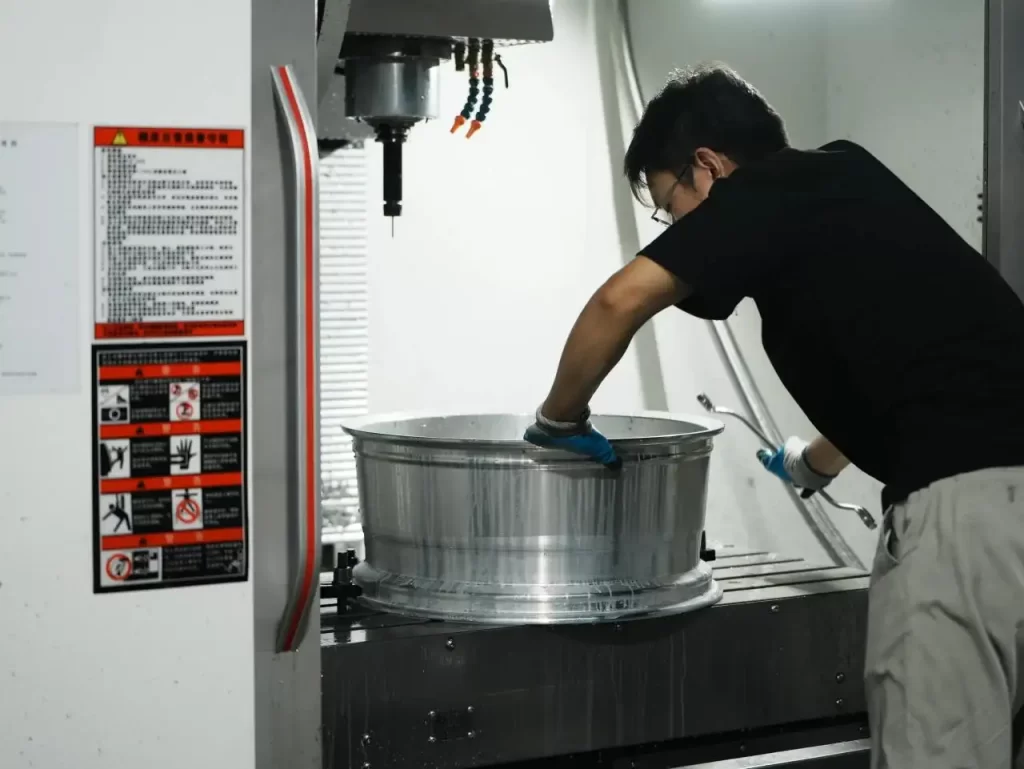
At XINGTU, we approach each finish as an engineering specification. A capable Private Label Wheel Manufacturer should convert a visual reference into measurable requirements covering substrate preparation, color, gloss, texture, masking, curing, inspection, and packaging. This is what makes a finish repeatable—not just attractive in one sample.
What Makes a Wheel Finish Production-Ready?
Before selecting a finish, brand owners should define:
• Target vehicle and customer segment
• Expected exposure to road salt, moisture, brake dust, and wheel cleaners
• Desired gloss, texture, and metallic depth
• Target price and acceptable production complexity
• Initial order volume and reorder frequency
• Maintenance expectations communicated to end users
A finish that works for a show-car wheel may not be practical for a high-volume daily-use collection. The role of a Private Label Wheel Manufacturer is to balance appearance with production stability and field conditions.
Finish Quality Starts Below the Color Layer
The final coating can only be as consistent as the surface beneath it. A professional finishing process should control four technical stages.
1. Substrate Preparation
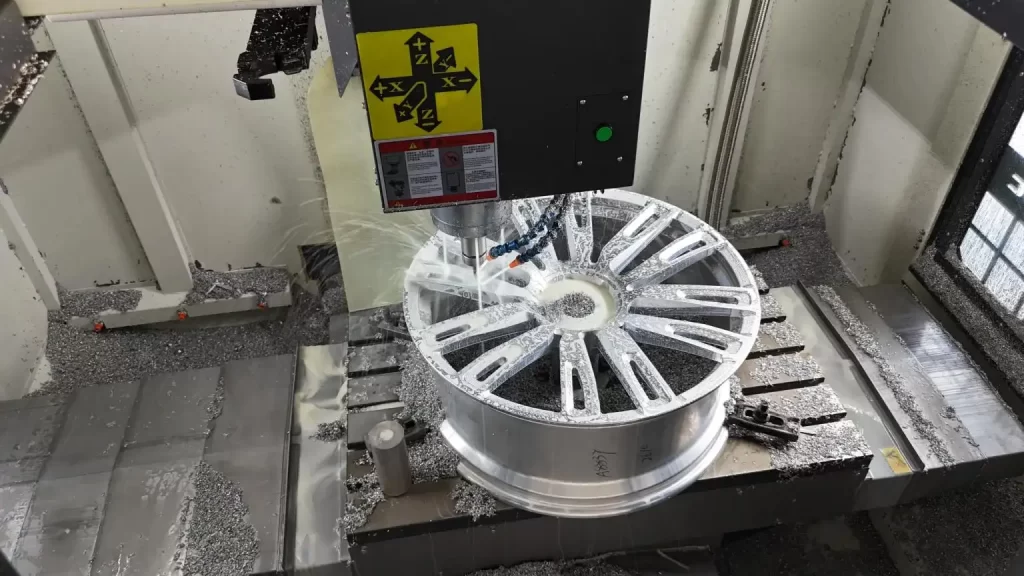
Inconsistencies such as CNC tool marks, burrs, residual polishing compound, oil, or irregularities in the blasting process can be visible after coating. To achieve the specified appearance, preparation can consist of one or more of the following processes:
• Deburring and edge refinement
• Degreasing and surface cleaning
• Mechanical polishing or directional brushing
• Controlled blasting for a uniform texture
• Chemical pretreatment for coating adhesion
Brushed and transparent finishes require very consistent preparation because variations are visible through the final clear coat.
2. Coating System
The priming, base color, effect layer, and clear coat comprise one system. Film thickness, flash-off time, and the temperature and duration of the cure must be within the specified process window. too thick a coating can blur fine details of a design, and a coating that is too thin leaves edges and recessed areas unprotected.
The curing schedule must also be planned so that repeated heatings do not adversely affect the metallurgical condition of the forged aluminum.
3. Functional-Surface Masking
Indiscriminate coating of the hub-mounting face, center bore, lug seats, threaded features, and other critical fitment areas would result in a coating buildup that would adversely affect wheel seating, concentricity, fastener contact, and the accuracy of the installation.
4. Final Protection
High-gloss, polished, machined, and transparent finishes require packaging that prevents abrasion. A good finish can still arrive damaged if foam, bags, dividers, or cartons move against the wheel during transport.
Comparing Custom Wheel Finishes
A Private Label Wheel Manufacturer should differentiate the trade-offs between finish systems instead of considering all options as equivalent.
| Finish System | Appearance | Technical Consideration | Cost and Lead-Time Effect |
| Powder coating | Uniform matte, satin, or gloss color | Film thickness and recess coverage require control | Relatively efficient for repeat production |
| Brushed with clear coat | Visible directional metal grain | Brushing direction and clear-coat coverage must be consistent | More preparation and inspection time |
| Polished | Bright, reflective metal surface | Susceptible to substrate defects and oxidation | Increased labor and maintenance |
| Machined face with painted pockets | Bright face with contrasting recesses | Require CNC control, clear-coat sealing, and critical Edge Control | Increased complexity |
| Two-tone finish | Strong contrast and visual depth | Accurate masking and process control | Increased cost and production time |
| Transparent color over metal | Visible aluminum texture | Color variation is driven by substrate and film thickness | Best for controlled or limited volume |
Matching Finishes to Wheel Geometry and Market Position
Spoke design should be considered along with the finish specification.
• Complex multi-spoke wheels: Satin or single-color finishes can maintain visual clarity.
• Wide, flat spokes: Brushed, polished, or machined surfaces can be used to good effect.
• Deep-concave wheels: Recess coverage and color uniformity require closer inspection.
• Performance wheels: Easy-to-clean finishes are a good choice to account for heavy brake dust.
• Coastal or winter markets: Pretreatment, edge coverage, and corrosion testing are of greater concern.
The most visually dramatic finish is not automatically the most suitable. Application conditions, customer maintenance habits, and target retail price should remain part of the decision.
Building a Product Line Without Excessive SKUs
Launching too many wheel-and-finish combinations can lock cash into slow-moving inventory. We recommend a three-level structure.
| Product Level | Finish Strategy | Recommended Launch Approach |
| Core Collection | Black, silver, graphite, or another repeatable color | Two or three finishes per design |
| Performance Collection | Satin, matte, or machined contrast | Selected combinations by vehicle fitment |
| Signature Collection | Brushed, transparent, polished, or two-tone | Low-volume or made-to-order production |
A low-MOQ Private Label Wheel Manufacturer allows the brand to test demand before expanding. After launch, actual sales data should determine which combinations become standard, discontinued, or reserved for special orders.
Each approved finish should have:
• A unique commercial name and internal code
• A physical master sample
• Defined color, texture, and gloss requirements
• Approved center-cap and logo treatment
• Matching packaging and warranty information
Controlling Color and Quality Across Batches
Digital representations of designs can't show things like metallic grain or the way a material interacts with light. Because of this, production shouldn't start from a design review until a physical sample is available.
The control plan will depend on the finish and the market, but could include:
• Color difference measurements
• Agreed-upon angle gloss measurements
• Dry-film thickness measurements
• Cross-cut adhesion tests
• Cure verification
• Wheel cleaner or chemical resistance tests
• Corrosion tests per agreed-upon standard
• Controlled lighting inspection
The approved master sample should be kept to compare to future batches. A good Private Label Wheel Manufacturer will also keep the coating material, process route, inspection result, and batch information to ensure traceability.
How XINGTU Supports Private-Label Wheel Programs
At XINGTU, our private-label support extends beyond selecting a color. We sample finishes, coordinate center caps with your brand, logos, packaging, and warranties, and perform a final inspection as one fully integrated product development program.
We also offer low-MOQ trials to help new brands test designs, and protect the value of your differentiated products with exclusive tooling agreements, NDA terms, design ownership provisions, and no-circumvention arrangements.
A strategic collection of disciplined SKU planning and controlled customization is what helps differentiate you in the marketplace. If you're evaluating Private Label Wheel Manufacturers, the XINGTU Brand Builders/OEM team can help you gain sampling and production capacity for your designs and ideas.
FAQs
Q1. What custom wheel finishes can XINGTU support?
XINGTU can coordinate solid-color, satin, matte, gloss, brushed, polished, machined-face, transparent-color, and two-tone finish programs. Actual availability depends on wheel geometry, order quantity, target appearance, and technical requirements.
Q2. How does XINGTU help brands select the right finish?
XINGTU evaluates the wheel design, spoke geometry, target customer, climate, maintenance expectations, retail positioning, and budget. The objective is to select a finish that is both visually distinctive and practical for repeat production.
Q3. Can XINGTU produce a physical finish sample before mass production?
Yes. Physical sampling allows the brand to inspect color, gloss, metallic texture, masking, machined edges, and appearance under different lighting. The approved sample can then serve as a production reference.
Q4. Does XINGTU support low-MOQ private-label wheel orders?
XINGTU supports low-MOQ trials for brands that need to test new designs or finishes before placing larger orders. The applicable MOQ depends on the wheel specification, finish complexity, packaging, and production arrangement.
Q5. How does XINGTU control finish consistency between batches?
XINGTU uses approved samples, finish specifications, batch identification, process records, and final inspection to manage consistency. Color, gloss, texture, coating coverage, and visible defects can be checked against agreed acceptance requirements.


