How a Custom RIM Manufacturer Protects OEM Designs and Private-Label Wheel Brands
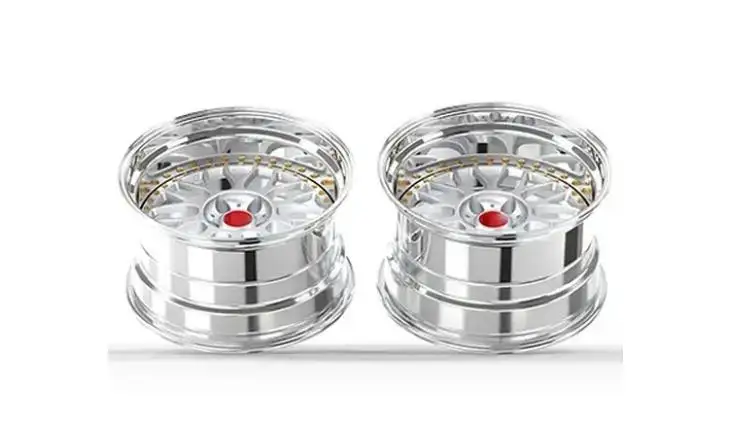
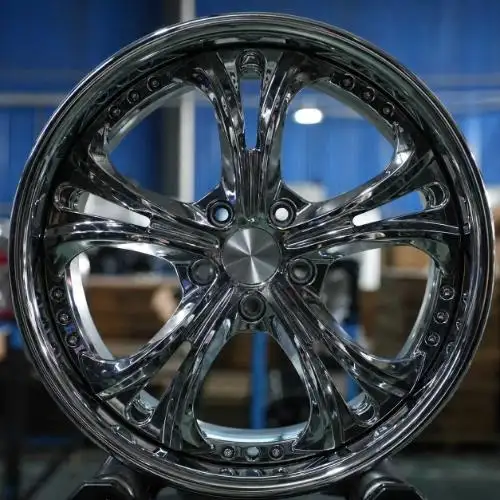
For a private-label wheel brand, intellectual property includes much more than the visible spoke pattern. CAD geometry, fitment data, load requirements, CNC files, surface-finish specifications, center-cap details, packaging and customer information can all carry commercial value.
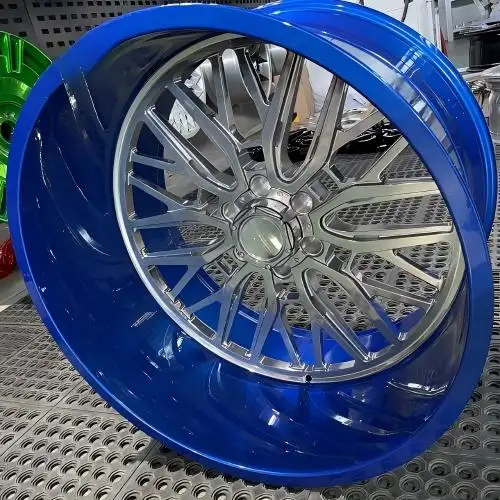
At XINGTU, we believe a professional Custom RIM Manufacturer should protect these assets through a combination of contractual controls, engineering-document management, restricted supplier access, traceable production and brand-controlled delivery. An NDA is necessary, but it is only one part of the system.
What Information Needs to Be Protected?
The first step is to classify project information before drawings are released.
| Asset category | Typical project information | Main exposure |
| Styling IP | Sketches, renders, spoke geometry and concave profile | Design copied or offered to another brand |
| Engineering data | Diameter, width, ET, PCD, center bore and load rating | Specifications reused without authorization |
| Fitment data | Brake clearance, suspension clearance and fender position | Vehicle-specific data shared with competitors |
| Production data | CAD models, CNC programs, fixtures and inspection plans | Unauthorized or uncontrolled production |
| Brand assets | Logo, center caps, packaging and warranty cards | Counterfeit or unapproved branded products |
| Commercial data | Pricing, order volume, customers and sales regions | Manufacturer bypasses the brand owner |
| Quality standards | Approved sample, color code, gloss and runout limits | Production differs from the marketed product |
Before development begins, the wheel brand and Custom RIM Manufacturer should agree on ownership, permitted use, access and post-project handling for each category.
Where OEM Wheel Projects Commonly Lose Control
A supplier may reproduce the same design, make minor spoke changes or use customer-funded development work for another buyer. Protection must therefore cover substantially similar derivatives, not only identical files.
Uncontrolled Subcontracting
Forging, heat treatment, CNC machining, finishing and packaging may occur at different facilities. When complete drawings are circulated through the supply chain, the number of potential access points increases.
Customer Circumvention
Shipping instructions and branded packaging can reveal distributors or end customers. Without defined communication and shipping rules, a supplier may gain access to relationships developed by the brand owner.
Production Outside the Approved Specification
A private-label design can remain confidential and still damage the brand if the wheel has incorrect offset, insufficient brake clearance, unstable color or excessive runout. For this reason, quality control is also a form of brand protection.
How a Custom RIM Manufacturer Should Control the Project
1. Establish Confidentiality Before File Transfer
A project-specific NDA should define:
•What information is confidential
•Who is permitted to access it
•Why the information may be used
•Whether product photography is allowed
•How long confidentiality continues
•How files must be returned, archived or destroyed
The NDA should also address factories, finishing suppliers and other subcontractors. Local legal counsel should review governing law, dispute resolution and enforcement provisions.
2. Distinguish IP Ownership from Permission to Manufacture
A drawing will not indicate ownership. The manufacturing agreement must differentiate the following:
•Designs and trademarks owned by the customer
•know-how about production owned by the manufacturer
•Engineering done by the manufacturer for the project
•Rights to manufacture only the approved quantity
It must also specify if the Custom RIM Manufacturer can display the wheel on the website, at shows, or in its portfolio.
3. Address Rights to Tooling, Fixtures and CNC Programs
Not all custom forged wheels contain a dedicated forging die. Often, there are projects that start with a forged aluminum blank, which is then machine milled using a five-axis CNC machine.
Therefore, the contracts must be drafted in a manner to cover the following production assets separately:
•Forging dies
•Machining fixtures
•Inspection gauges
•3D models and engineering drawings
•CNC programs
•Physical samples
For customer-funded tooling, the contract must specify the tool's identification, ownership, and you must agree to maintain the tool and only use it for the purpose for which it was designed.
4. Apply Engineering Revision Control
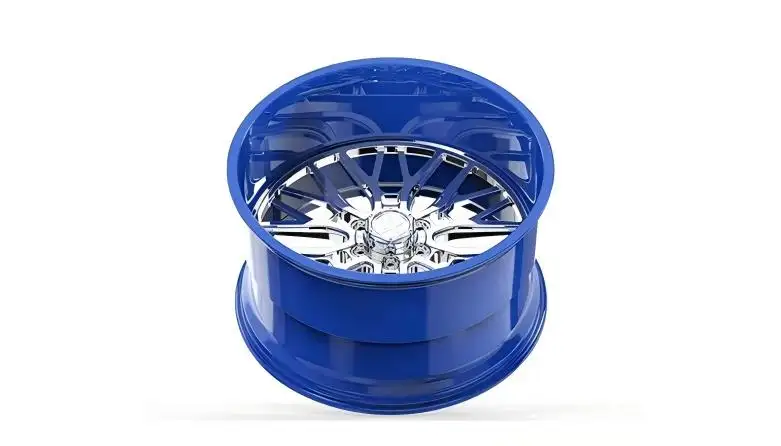
Every production file should include a part number, revision, issue date and approval status. Superseded files must be removed from production access.
At XINGTU, critical fitment data is reviewed before machining, including:
•Wheel diameter and width
•Bolt pattern and center bore
•Offset and mounting-pad height
•Brake-caliper envelope
•Inner-barrel and suspension clearance
•Fender position
•Vehicle load requirements
This process protects confidential engineering data while reducing the risk of producing an attractive wheel that does not fit the intended vehicle.
5. Limit Supply-Chain Access
A responsible Custom RIM Manufacturer should use need-to-know access. A finishing supplier, for example, may require a color standard and part reference but not the customer's full vehicle program, pricing or distribution information.
Subcontractor confidentiality obligations should follow the project through every outsourced operation.
6. Protect Sales Channels and Brand Identity
For private-label orders, operational controls may include:
•Non-circumvention provisions
•Blind shipping
•Neutral shipping documentation
•Customer-approved packaging
•Restricted access to consignee information
•Written permission before using project images
•Custom center caps and controlled logo files
These measures help separate the manufacturing function from the brand owner's sales channel.
Quality Records Are Part of IP Protection
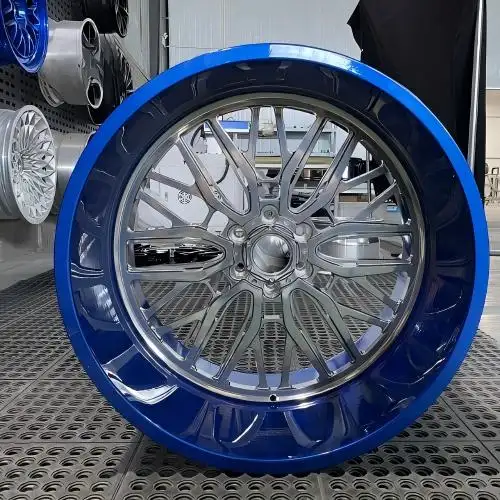
XINGTU links design control with inspection through documented technical requirements and pre-shipment checks. Therefore, the approved wheel specification must be the same for each sample and repeat order.
| Control point | What should be verified |
| Design approval | Geometry, fitment, and load requirements |
| First article | Dimensions, brake clearance, and appearance |
| Machining inspection | PCD, center bore, offset, and critical thickness |
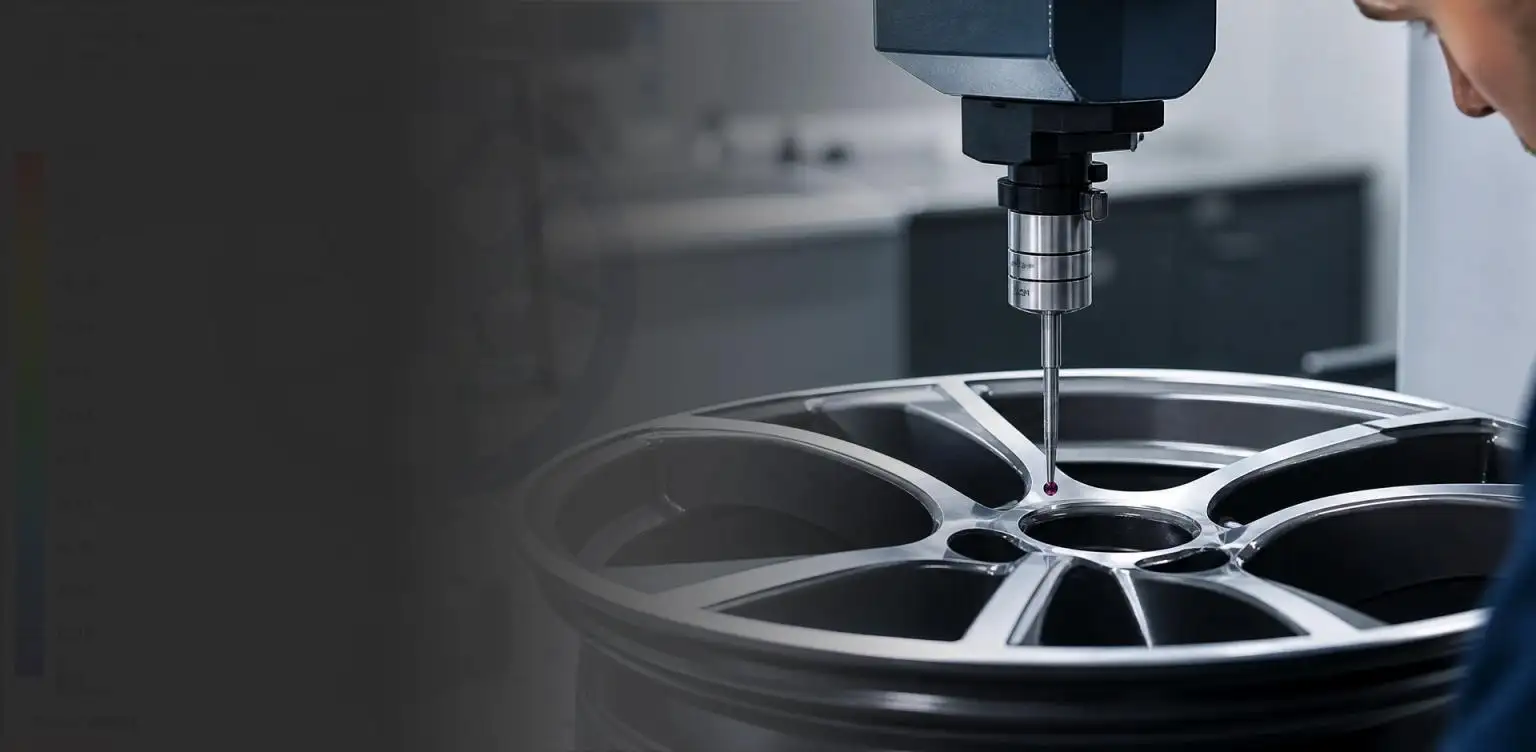
| Final inspection | CMM, runout, dynamic balance, and finish |
| Packaging | Correct accessories, protective packing, and logo |
| Repeat production | Batch identity, approved standards, and revision |
This documentation helps avoid unexpected changes in the machining, materials, and finishing processes.
XINGTU's Controlled OEM Development Approach
We perform design review and structural assessment, as well as 3D fitment validation and production coordination, coupled with pre-shipment inspection. Our manufacturing network has 12,000-ton forging presses and five-axis CNC machining. Our quality workflow includes CMM inspection and dynamic balancing.
For each private-label project, confidentiality, exclusivity, branding and shipping requirements should be confirmed before production. This gives both parties a clearer technical and commercial framework.
Choosing a Custom RIM Manufacturer is ultimately about protecting the complete product—from the first design file to the wheel received by the customer. To review your OEM concept, fitment requirements and brand-control expectations, learn more about XINGTU's engineering and manufacturing support or contact our team before releasing production files.
FAQs
Q1. How does XINGTU protect private-label wheel designs?
XINGTU can support project-specific NDAs, controlled engineering communication and blind shipping. Design ownership, exclusivity, authorized use and disclosure restrictions should be documented in the OEM agreement before complete production files are released.
Q2. Can XINGTU sign an NDA before reviewing CAD files?
Confidentiality requirements can be discussed before customers submit detailed CAD models, drawings or commercial information. The NDA should identify the protected information, permitted recipients, authorized use and requirements for returning or destroying files.
Q3. Who owns the wheel design developed with XINGTU?
Ownership depends on the project agreement. Customer-provided designs, XINGTU's pre-existing technical knowledge, jointly developed engineering work, CNC files and customer-funded tooling should be defined separately to prevent future disputes.
Q4. Does XINGTU offer exclusive wheel designs?
Design exclusivity can be established through a project-specific manufacturing or exclusivity agreement. The agreement should define the protected design, applicable markets, exclusivity period, authorized production quantity and restrictions on similar derivatives.
Q5. How does XINGTU control vehicle fitment before production?
XINGTU uses 3D fitment validation and engineering review to assess wheel diameter, width, offset, PCD, center bore, mounting-pad geometry, brake-caliper clearance, suspension clearance and vehicle load requirements.


