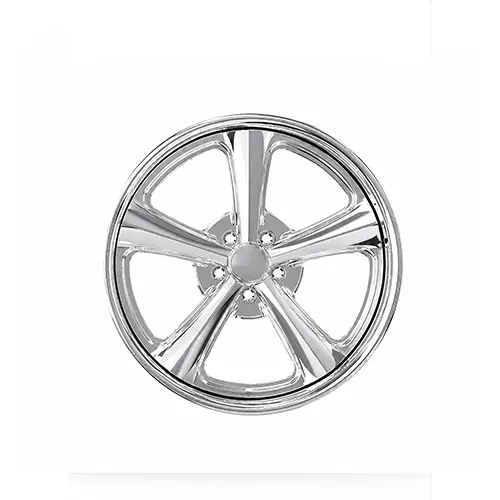
1985 Ford XF Falcon — Full Chrome Classic 5-Spoke 2-Piece Forged (20" Staggered, Deep Lip)
- Model: RC1322-1XT (2080 / 2010)
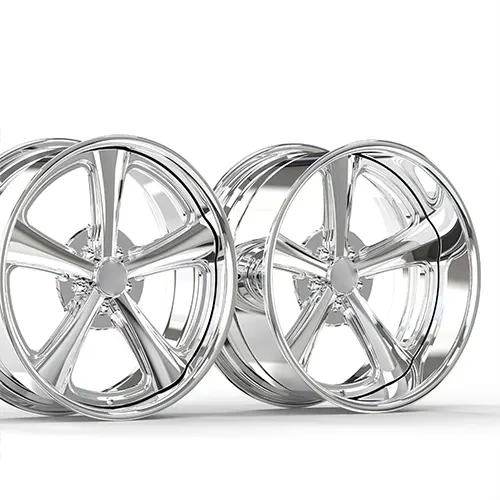
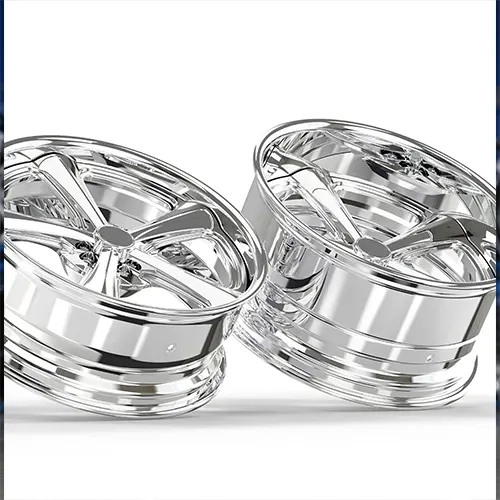
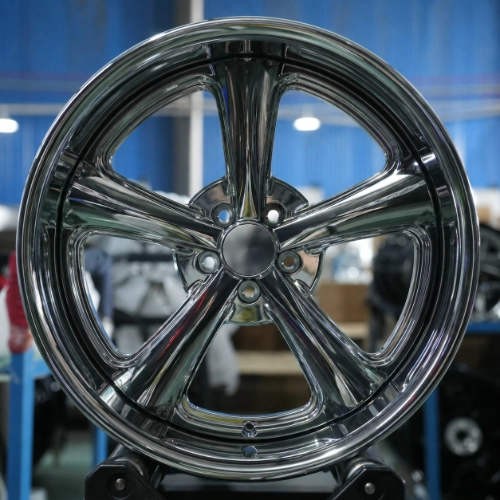
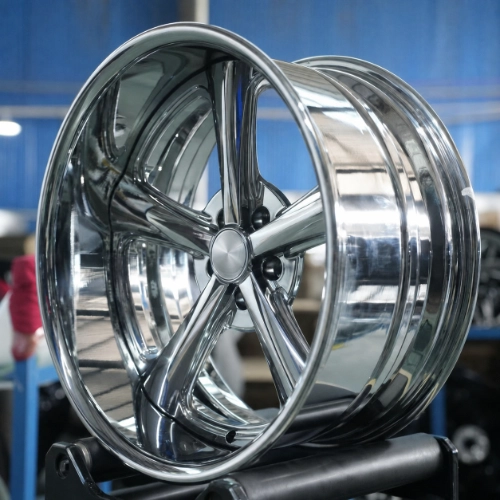
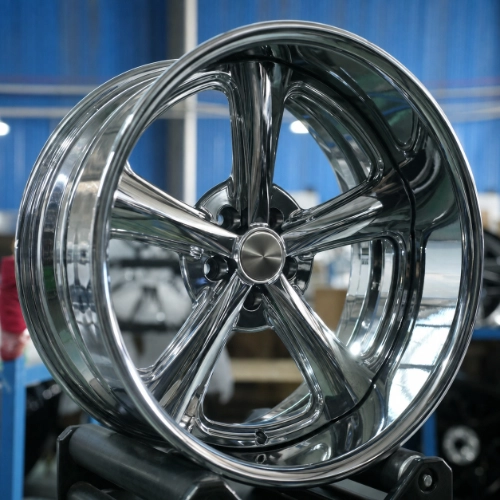
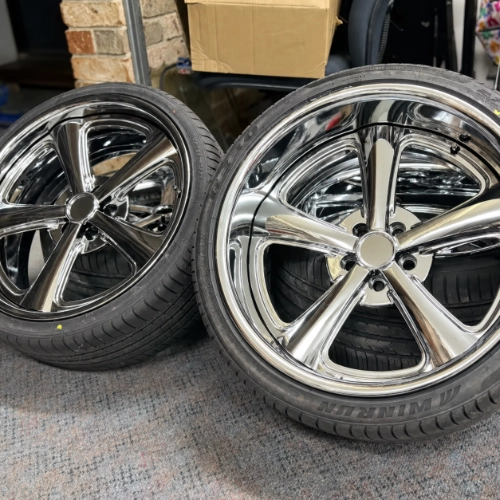
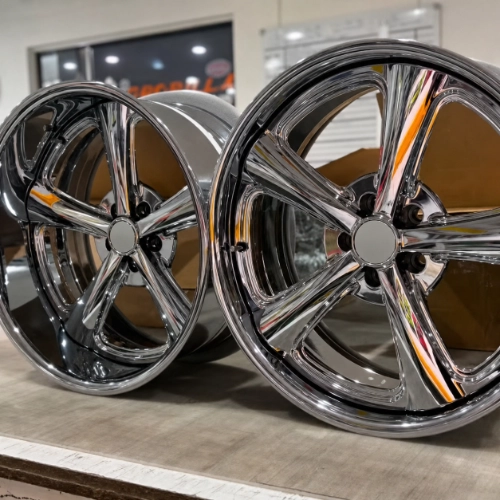
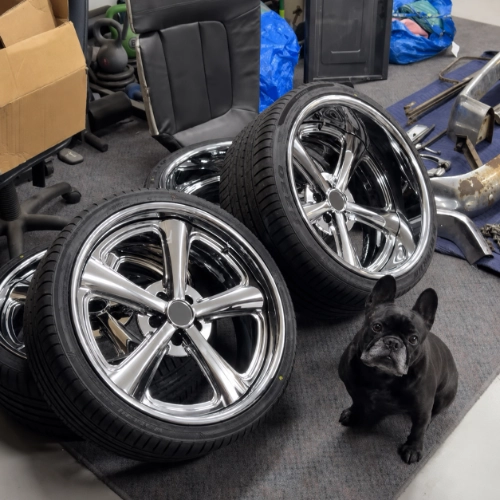
An XF Falcon owner came to XINGTU wanting a wheel that channeled the classic Aussie muscle / street-machine era — a full mirror-chrome five-spoke face over a wide, deep-lip staggered stance. The rear runs an aggressive ET-38 to push the wheel out toward the arch edge for that unmistakable "tucked-and-flared" street-machine look, executed as a true 2-piece forged construction so the deep lip is real structure, not a styling trick. The XF Falcon's original 5x114.3 Ford bolt pattern is preserved for a genuine bolt-on fit. XINGTU machined the set to exact hub, bolt pattern, and offset.



Specifications
| Item | Specification |
| Model No. | RC1322-1XT (2080 / 2010) |
| Size | 20x8.0 front / 20x10 rear (staggered) |
| PCD | 5x114.3 |
| Offset (ET) | ET0 front / ET-38 rear (deep negative) |
| Center Bore | 70.5 mm |
| Weight | 14.2 kg front / 16.6 kg rear |
| Load Rating | 750 kg per wheel |
| Finish | Full Chrome (electroplated mirror) |
| Construction | 2-Piece Forged (bolted face + barrel) |
-
Descriptions

Engineering Notes
Five-spoke simplicity places more emphasis on wheel section than face detail.
Forged 6061-T6 forms the center before it is joined to the separate deep-lip barrel through functional stainless hardware. Joint torque and pressure testing are completed before electroplating begins.
Rear ET-38 establishes the stronger wheel position and gives the barrel room to become visually significant without relying on exaggerated concavity.
Open Spokes Let the Barrel Stay Visible
Large negative spaces between the five spokes expose more of the wheel behind the face.
That is particularly effective when real barrel depth is one of the product’s strongest visual characteristics.
Dense mesh, complex directional spokes or additional inserts would draw attention away from the outer section rather than improve it.
Chrome Creates Visual Continuity
Mechanical construction is separated into components.
Surface treatment does the opposite.
Copper and nickel stages prepare the forged surfaces before chromium produces the final mirror reflection. Center and barrel then appear visually connected even though functional hardware still joins them underneath.
That contrast gives the wheel much of its appeal: simple appearance, genuine multi-piece construction.
ET-38 Supplies the Rear Character
Rear position comes from geometry rather than from adding more styling to the face.
ET-38 allows the same classic five-spoke language to remain while barrel proportion creates the stronger custom stance.
From Design to Delivery
Quality Verified
- CMM dimensional inspection (PCD / CB / runout)
- Dynamic balancing on every wheel
- 2-piece hardware torqued to spec & pressure-tested for seal
- Forged 6061-T6, hub-centric machining verified
- Multi-layer chrome plating adhesion & mirror QC before packing
Result
Five spokes create the familiar silhouette. ET-38 and the separate barrel provide genuine depth. Full chrome connects those surfaces visually without removing their mechanical distinction.
Very little decoration is needed.
That restraint gives this wheel a separate identity from the more extreme 174.5 mm XF Falcon build. Here, proportion and surface continuity matter more than maximum rear geometry.

Restoring an XF Falcon, XD/XE, HQ Holden, or any Aussie / American classic muscle build?
XINGTU forges chrome, brushed, painted, or bare polished finishes to your exact fitment
-
Build & Fitment
ET-38 Is Central to the Rear Position
Offset changes the relationship between the wheel section and mounting face, directly influencing the visible barrel profile.
5×114.3 Retains the Ford Bolt Pattern
No converted GM-style hub geometry is introduced into this build.
CB70.5 Uses a Hub-Centric Ring Arrangement
Wheel bore is 70.5 mm, with a centering ring used to correspond with the smaller Falcon hub.
Deep Lip Comes From the Separate Barrel
Physical outer depth belongs to the two-piece architecture rather than a recessed center designed to imitate it.
Chrome Does Not Replace Assembly Control
Fasteners still require controlled torque and the joint still requires pressure verification underneath the plated finish.
Milder Fitment Can Retain the Same Design
Five-spoke geometry and full chrome can remain while width, offset and barrel section are recalculated for another Falcon.
-
FAQs
1. Why use only five spokes?
Large openings keep the barrel visible and suit the clean street-machine character of the design.
2. Is this a genuine two-piece wheel?
Yes. Forged center and separate deep-lip barrel form the assembly.
3. What creates the rear depth?
Rear ET-38 works together with the barrel geometry.
4. Is the chrome finish paint?
No. Mirror appearance comes from electroplating.
5. What happens before chromium is applied?
Metal surfaces are polished and prepared through copper and nickel stages.
6. What bolt pattern is used?
5×114.3.
7. Why is a hub-centric ring used?
It matches the 70.5 mm wheel bore to the smaller vehicle hub for accurate centering.
8. Are the assembly bolts still functional after plating?
Yes. Surface finish does not change their mechanical role.
9. Is rear barrel depth identical for every XF Falcon?
No. Available depth changes with wheel geometry and vehicle clearance.
10. Can the wheel be produced with a less aggressive rear position?
Yes. Face design and chrome treatment can remain while fitment is recalculated.
Related Products